
Andy Oler, editor of Lingering Inland: A Literary Tour of the Midwest, answers questions about his new book.
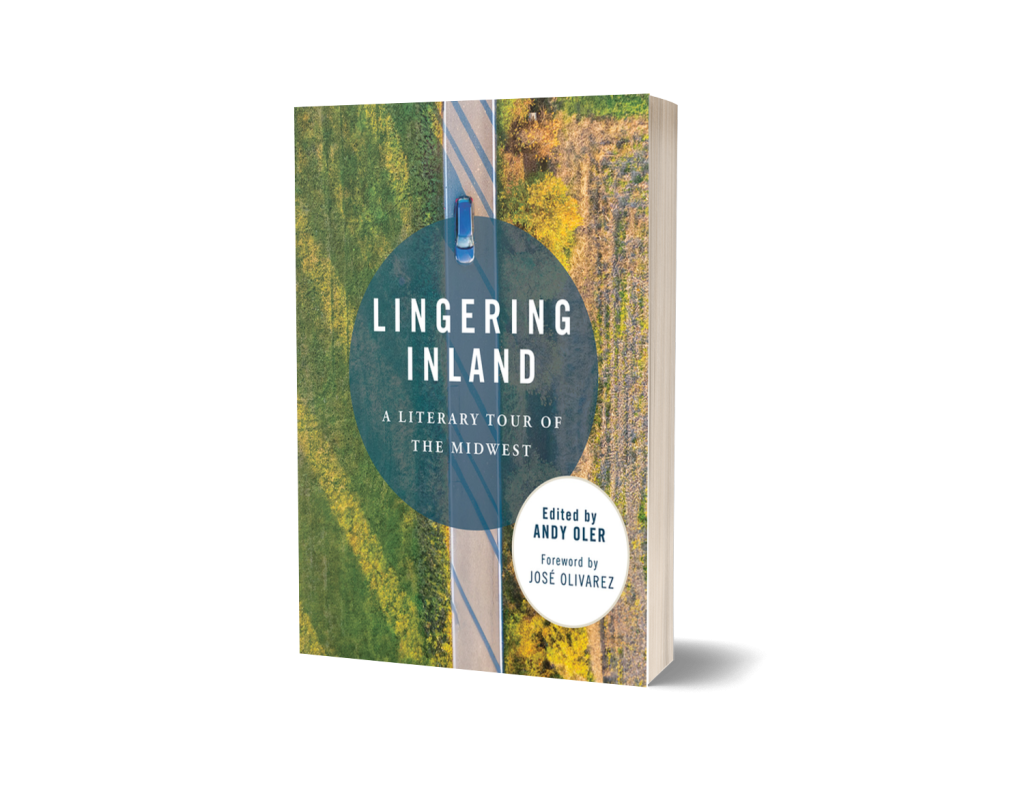
Q: Why did you decide to write this book?
Lingering Inland grew out of the Literary Landscapes series, which I started as a public-facing branch of my academic work in Midwestern literature. As a whole, the book asks these questions: How do the stories we tell about ourselves and our places influence or reflect our actual experiences? How is the literature of a place relevant to the people who live there? I love the way that the contributors to this book put their own stories into the context of these works of literature and their places, showing how the stories we tell about ourselves are intimately connected with the stories and poems and novels we read.
Q: What is the most interesting discovery you made while researching and writing your book?
I have been delighted to see how many people are excited about literature from their hometown and region. There are 73 essays in this book and only one repeat contributor! I can’t say this is a discovery, exactly, but I’m thrilled that it has played out this way.
Q: What myths do you hope your book will dispel or what do you hope your book will help readers unlearn?
Lingering Inland isn’t alone in this work, but it is a great example of how the Midwest is a dynamic, diverse place. There’s a wide range of backgrounds and life experiences among the contributors as well as their author subjects, and the variety of places they visited and wrote about certainly puts the lie to common, simplistic labels like “flyover country” or “the breadbasket of America.” It’s important that Midwestern writers and scholars acknowledge and articulate the region’s multiplicity, because the allegation of homogeneity—whether delivered in dismissive or laudatory tones—is a pretty unproductive way to look at an entire region, not to mention awfully boring.
Q: Which part of the publishing process did you find the most interesting?
This book was a much larger logistical undertaking than my first three books. The number of contributors, images, and permissions required meant a great deal more juggling. I’m excited that all the balls finally fell into place!
Q: What is your advice to scholars/authors who want to take on a similar project?
Edit thoroughly from the beginning. Because I spent a lot of time with each essay as it came in, the process of collecting and composing the manuscript was fairly smooth. My second piece of advice is to keep track of everything in clear folders and spreadsheets. If I hadn’t been pretty organized, the production process would have felt awfully daunting.
Q: What do you like to read/watch/or listen to for fun?
Is it cheating to say Midwestern literature? It probably is. I like to read novels, poetry, and short stories that have a strong sense of place—and not always in the most obvious ways. In the Midwest, Bonnie Jo Campbell, José Olivarez, Eve L. Ewing, Ross Gay. I live and teach in Florida, so Kristen Arnett, Jeff Vandermeer, Karen Russell. At the moment, I’m teaching Bad Cree by Jessica Johns.
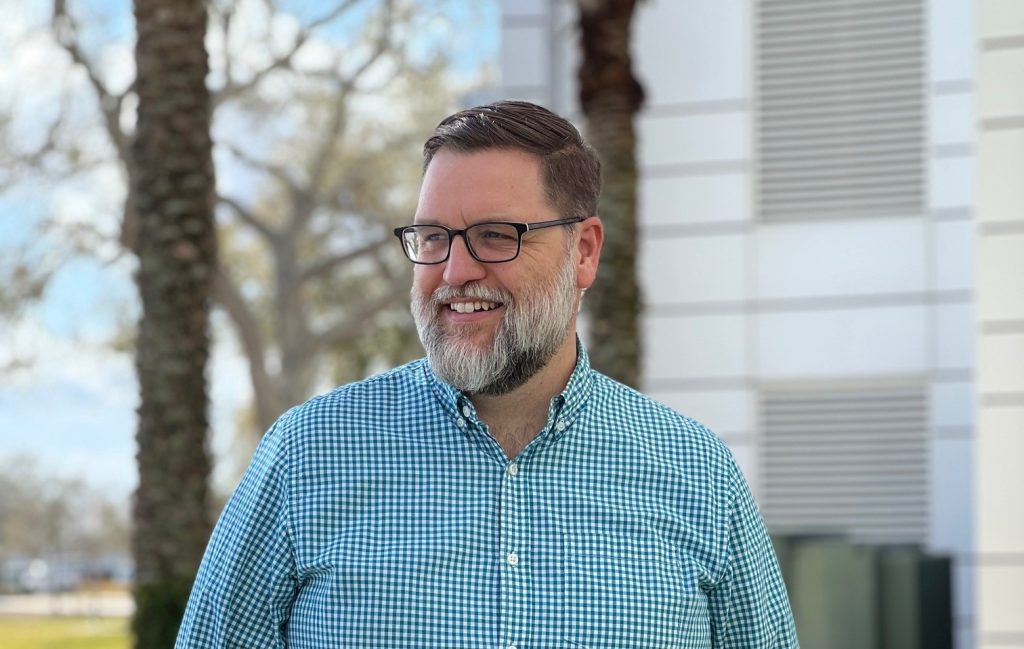
Andy Oler is the author of Old-Fashioned Modernism: Rural Masculinity and Midwestern Literature and coeditor of Michigan Salvage: Approaches to the Fiction of Bonnie Jo Campbell. He is chair of the Department of Humanities and Communication at Embry-Riddle Aeronautical University and departments editor at The New Territory.