
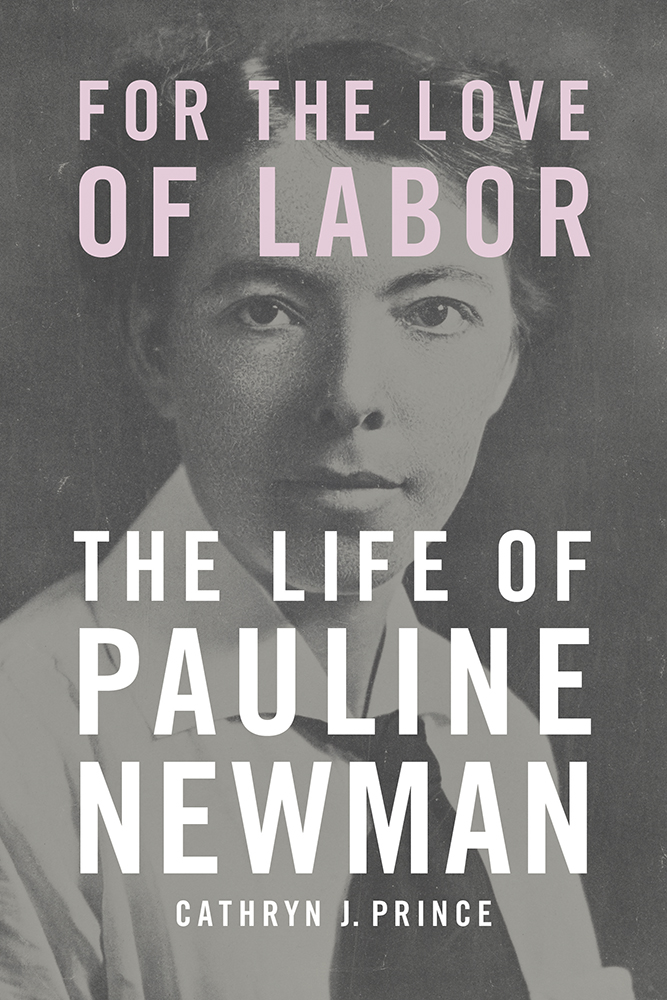
For the Love of Labor: The Life of Pauline Newman
Cathryn J. Prince
From her start as one of the youngest activists in US history, Pauline Newman helped shape the International Ladies’ Garment Workers’ Union (ILGWU) into a dominant force in industrial America. Cathryn J. Prince tells the story of a self-educated Jewish immigrant who dedicated herself to a legion of causes and lifelong battles against sexism and classism.
Engaging and panoramic, For the Love of Labor is the first major biography of an important figure in labor and women’s history.
Working-Class Girls Don’t Become Artists: Looking at Art and Class
Janet Zandy
Writing from a working-class perspective, Janet Zandy links labor and art to challenge the unnamed class biases in systems of art curation, categorization, and expertise. Zandy orchestrates the voices of nine artists—Käthe Kollwitz, Elizabeth Catlett, Ruth Asawa, Marilyn Anderson, Milton Rogovin, Jens S. Jensen, Mark Rogovin, Ralph Fasanella, and Raymond Mason—whose work aligns with the histories and living conditions of working-class people.
Women, Gender, and Families of Color
“Labor Organizer Nannie Helen Burroughs and Her National Training School for Women and Girls” by Danielle Taylor Phillips-Cunningham and Veronica Popp
The authors trace the early twentieth-century development of outspoken Black leader Nannie Helen Burroughs’s educational mission into unprecedented labor initiatives to etch her into historical memory as a significant labor leader.
Backroom Bargaining: Racketeering and Rebellion in New York City’s Labor Unions
Jane LaTour
Organized crime figures and their minions honeycombed unions while leadership instituted nepotism, salary padding, and other practices that undermined the well-being of the rank and file. But in New York City, groups of union members and their legal allies waged a years-long struggle against corruption and for better working conditions.
A rare history of union corruption, Backroom Bargaining shines a light on worker campaigns to uphold fairness and equity in the workplace.
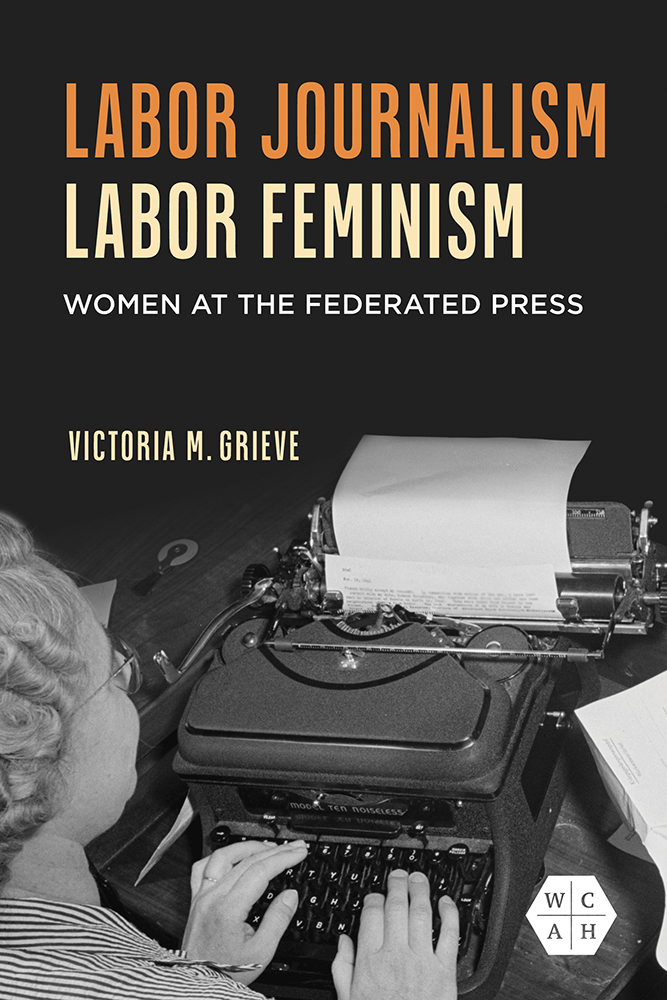
Labor Journalism, Labor Feminism: Women at the Federated Press
Victoria M. Grieve
Founded in 1919, the Federated Press (FP) collected, compiled, and distributed news to America’s labor and radical newspapers. Victoria M. Grieve focuses on the lives and work of four correspondents and staffers—Jessie Lloyd, Julia Ruuttila, Virginia Gardner, and Miriam Kolkin—to examine the impact of women at the FP and across the labor movement.
A compelling portrait of four women and a movement, Labor Journalism, Labor Feminism looks at an essential labor press organization and profiles politically active, leftist women who created relationships, established networks, and worked for social change.
Decolonial Feminist Genealogies and Futures
Edited by Annie Isabel Fukushima and K. Melchor Quick Hall
From the COVID-19 pandemic to the war in Gaza, recent events have demonstrated the implacability of settler colonialism and its racist underpinnings. Annie Isabel Fukushima and K. Melchor Quick Hall edit a visionary collection focused on radical struggles against these forces.
Interdisciplinary and diverse, Decolonial Feminist Genealogies and Futures draws on a unique history of thought and action to map a new generation of practices.
Journal of Appalachian Studies
“The Health of Coal Miners’ Wives: A Historical Analysis” by Chloe A. Yates and Amy Sorensen
Existing literature has not adequately addressed the health of women and girls who reside and perform reproductive labor within the households of male coal miners exposed to coal dust and other coal toxins. This study compares archival data on the health at the time of death for coal miners’ wives and non-coal miners’ wives to determine if there are statistical differences between these groups of women.
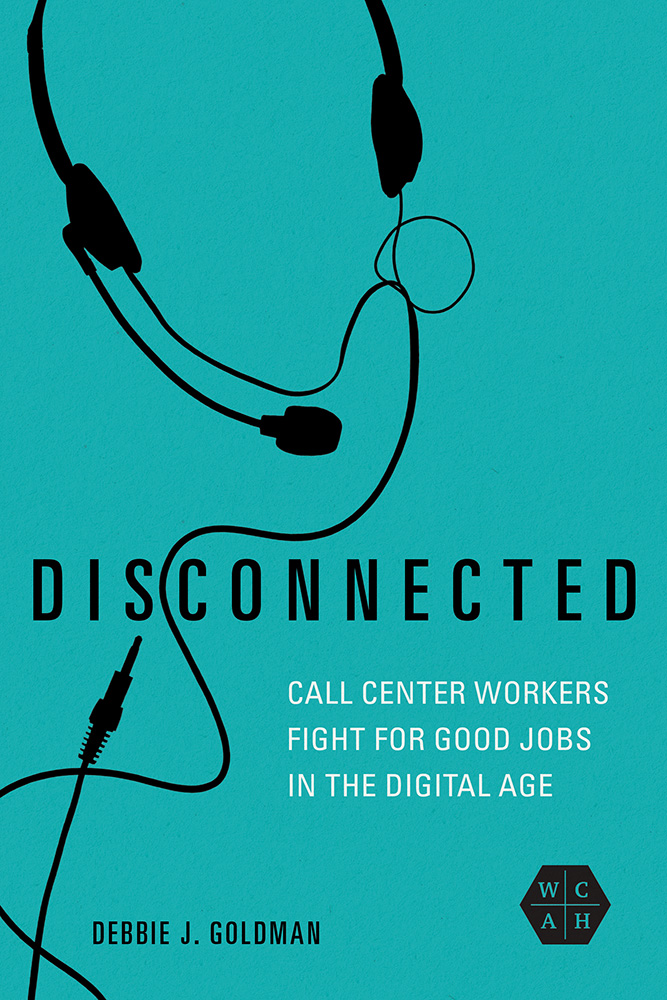
Disconnected: Call Center Workers Fight for Good Jobs in the Digital Age
Debbie J. Goldman
Call center employees once blended skill and emotional intelligence to solve customer problems while the workplace itself encouraged camaraderie and job satisfaction. Ten years after telecom industry deregulation, management had isolated the largely female workforce in cubicles, imposed quotas to sell products, and installed surveillance systems that tracked every call and keystroke.
Perceptive and nuanced, Disconnected tells an overlooked story of service workers in a time of change.
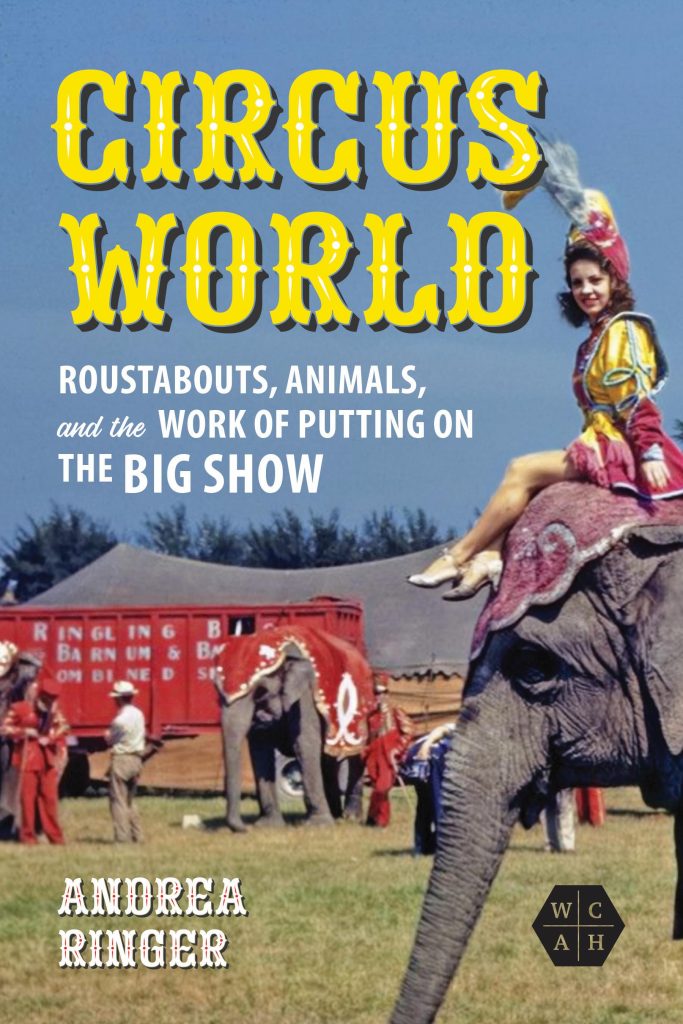
Circus World: Roustabouts, Animals, and the Work of Putting on the Big Show
Andrea Ringer
From the 1870s to the 1960s, circuses crisscrossed the nation providing entertainment. A unique workforce of human and animal laborers from around the world put on the show. They also formed the backbone of a tented entertainment industry that raised new questions about what constituted work and who counted as a worker.
Illuminating and vivid, Circus World delves into the gender, class, and even species concerns within an extinct way of life.
“Asanghadithar: Spotlighting Women’s Community and Labor Rights Protest in Malayalam Cinema” by Malavika Ajikumar Corresponding and Ajanta Sircar
This article examines the semi-fictional portrayal of the working women’s rights movement in the Malayalam-language anthology film Freedom Fight (2022), produced by filmmaker Jeo Baby, and how women’s collectivization was made visible, rewriting male conceptions of labor to include female perspectives and histories.
Care Activism: Migrant Domestic Workers, Movement-Building, and Communities of Care
Ethel Tungohan
Care activism challenges the stereotype of downtrodden migrant caregivers by showing that care workers have distinct ways of caring for themselves, for each other, and for the larger transnational community of care workers and their families. Ethel Tungohan illuminates how the goals and desires of migrant care worker activists goes beyond political considerations like policy changes and overturning power structures.
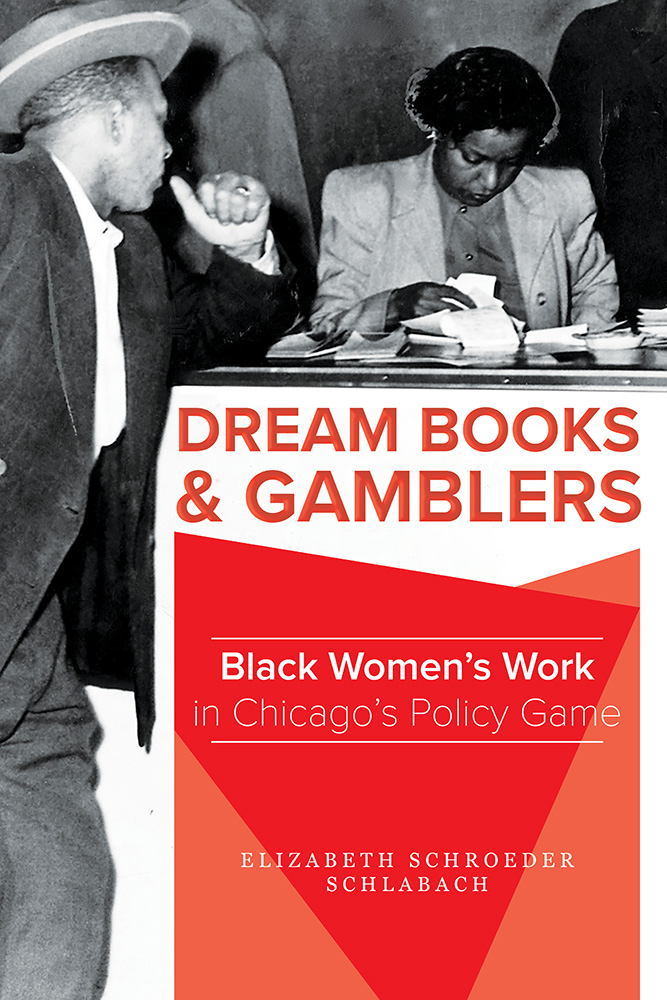
Dream Books and Gamblers: Black Women’s Work in Chicago’s Policy Game
Elizabeth Schroeder Schlabach
Ubiquitous illegal lotteries known as policy flourished in Chicago’s Black community during the overlapping waves of the Great Migration. Policy “queens” owned stakes in lucrative operations while women writers and clerks canvased the neighborhood, passed out winnings, and kept the books.
Vivid and revealing, Dream Books and Gamblers tells the stories of Black women in the underground economy and how they used their work to balance the demands of living and laboring in Black Chicago.
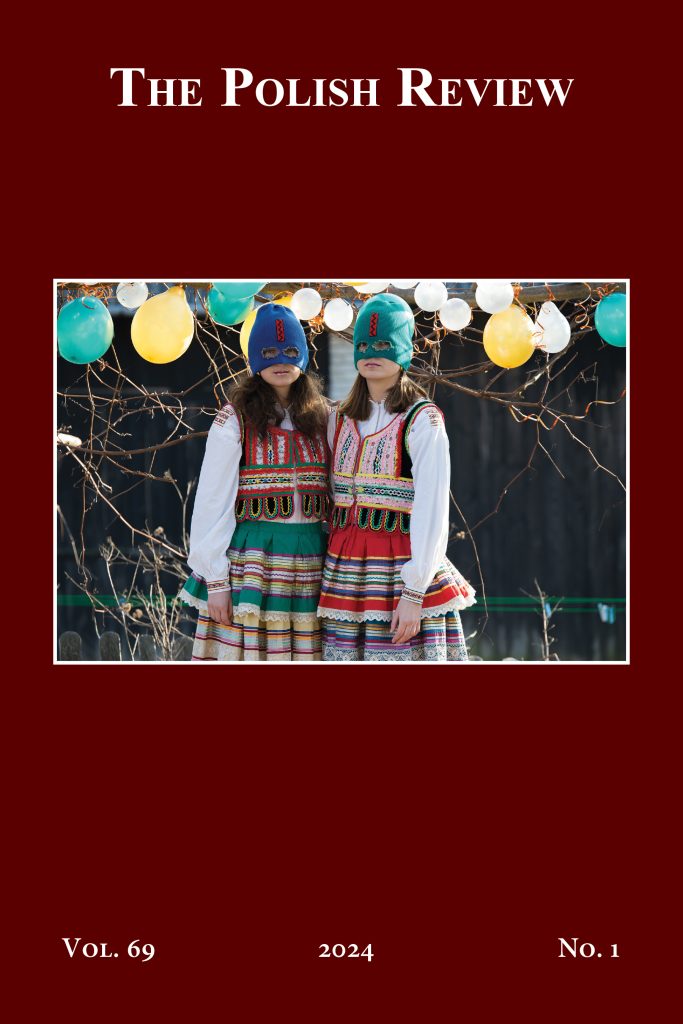
“It Is High Time for Serious Women: The Model of a New Polish Woman in the Kingdom of Poland, 1865–1900” by Joanna Dobkowska-Kubacka
This article aims to highlight aspects of female emancipation in the Kingdom of Poland in the second half of the nineteenth century that gave this movement a specific, national character. The promoted ideal of a “new Polish woman” was to be hard working, improving her mental faculties, and engaging in activities that benefitted society, which led to more women seeking education and work.