
Created by President Jimmy Carter in 1979, this month celebrates the African American musical influences that comprise an essential part of our nation’s treasured cultural heritage. Let’s dig in with some of our newest and well-loved books and journal articles!
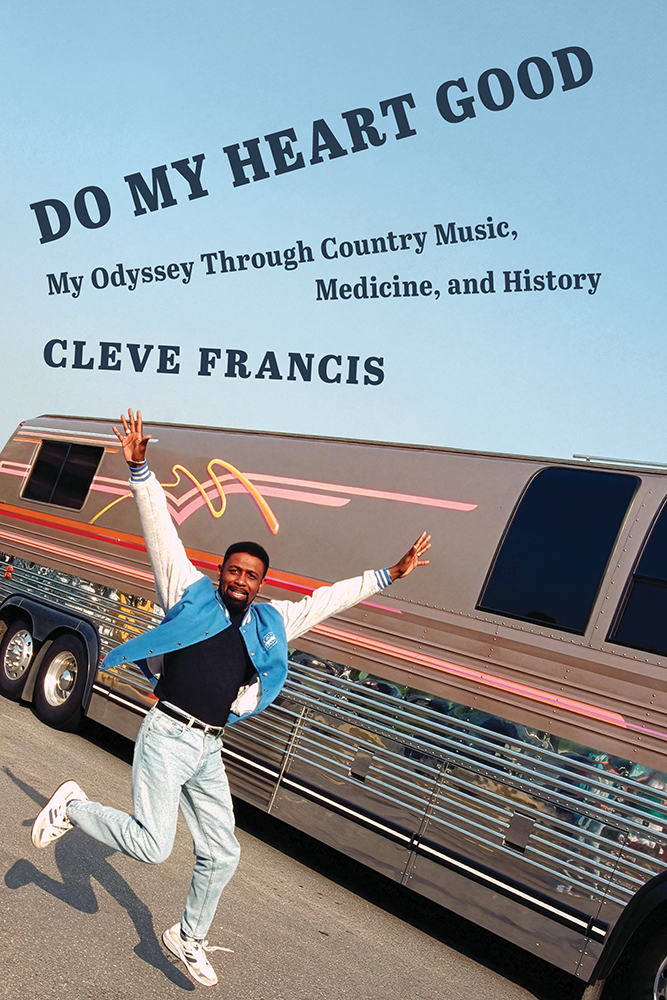
Do My Heart Good: My Odyssey Through Country Music, Medicine, and History
By Cleve Francis
Co-published with Country Music Foundation Press
Born to a struggling family in Jim Crow–era Louisiana, Cleve Francis followed his love for music and passion for science into parallel careers as a singer-songwriter and cardiologist. One of the few Black artists to record for a major country music label, Francis had four Billboard hits as a Capitol Nashville/Liberty Records artist in the 1990s.
Engaging and inspiring, Do My Heart Good is the story of how resolve, hard work, and joy composed a uniquely American success story.
“The World We Make: Black Colleges and Black Music Studies” by Fredara Mareva Hadley
In this article, Hadley discusses questions raised by musicologist Guthrie Ramsey’s book, Who Hears Here? On Black Music, Pasts & Present, in conjunction with her own research on music at Historically Black Colleges and Universities (HBCUs). In presenting her research, Hadley raises the question: what are we missing by not considering HBCUs a significant community theater in the production of, participation in, and innovation of Black music? And who hears here now?
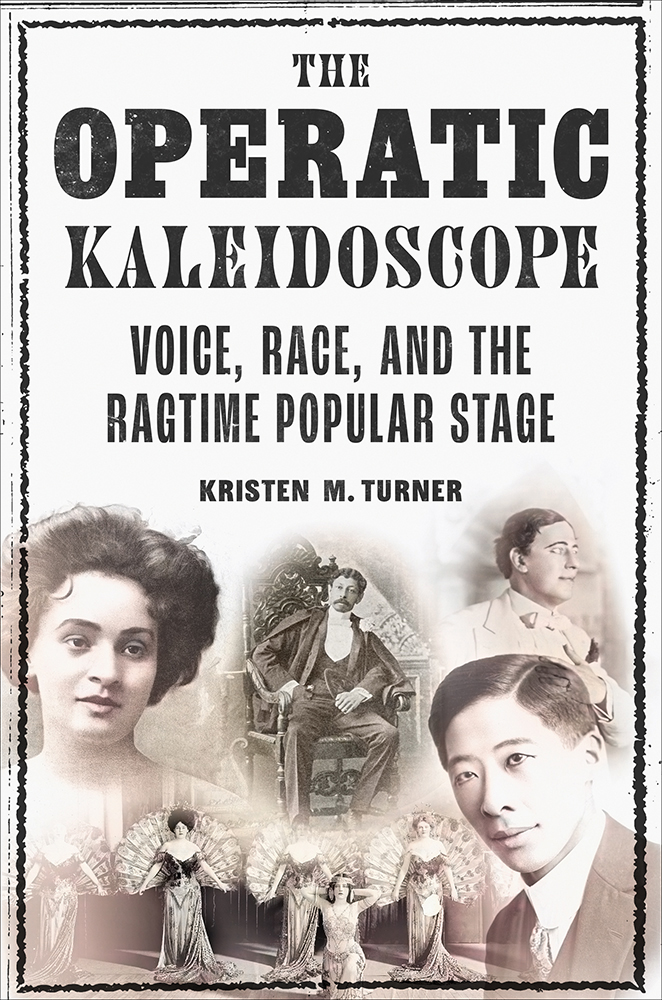
The Operatic Kaleidoscope: Voice, Race, and the Ragtime Popular Stage
By Kristen M. Turner
Opera and popular entertainment intersected at the turn of the twentieth century just as Americans debated the terms of citizenship. Kristen M. Turner disentangles the histories of race, class, gender, culture, and musical style to explain opera’s place in the mass culture of the ragtime era.
Nuanced and expansive, The Operatic Kaleidoscope explores opera’s role when popular culture grappled with questions of race and citizenship.
“Listening to Kora in New York City: Constructing Africa and Blackness in the United States” by Althea SullyCole
Drawing upon ethnographic fieldwork with New York City-based musicians, this article observes how the kora, a twenty-one stringed harp from the Mandé region of West Africa, has become integrated into a Black cultural expression in the United States. It highlights the disjunctures between migrant West African kora players and Black musicians and audiences in the United States that result from particular modes of listening. How these conflicts are manifest in the performance context, the author argues, reveals both who and what means, historically, have been authorized to organize a social imaginary around the idea of “Africa” and its traditions.
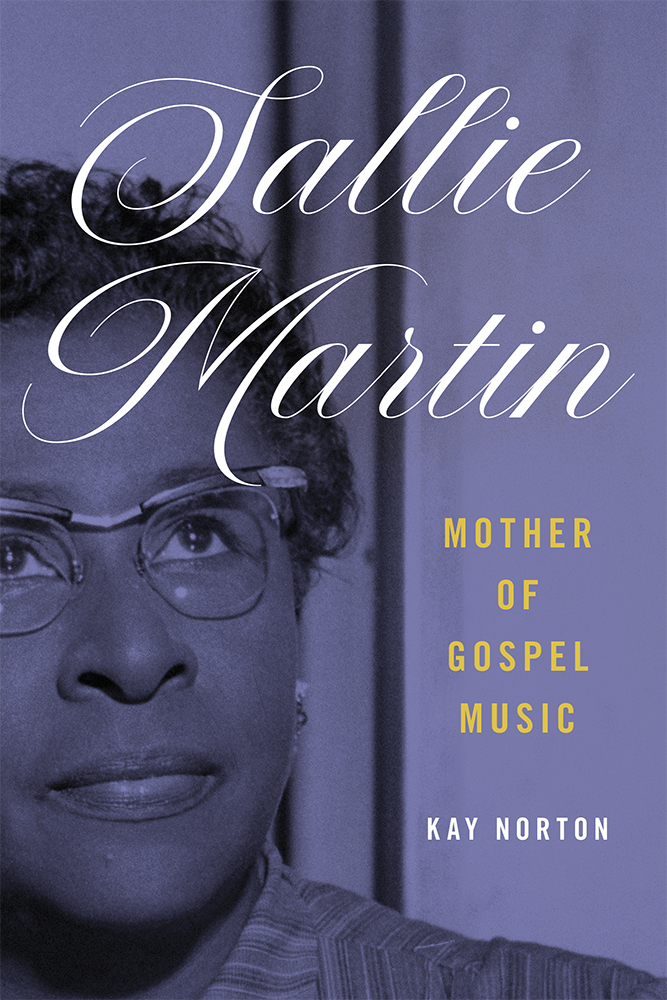
Sallie Martin, Mother of Gospel Music
By Kay Norton
Sallie Martin combined fame as a performer with a far-sighted business acumen that brought Black gospel music to a national audience and laid the foundation for the industry that followed. Kay Norton’s biography follows Martin’s parallel careers from her early plans to grow the genre through her celebrity in the 1960s–1970s and eventful retirement.
In-depth and powerful, Sallie Martin, Mother of Gospel Music tells the story of one woman’s role in shaping the music and business of Black gospel.
“On the Jazz Scene: The Publics and Counterpublics of Julian ‘Cannonball’ Adderley” by Darren Mueller
This article examines the public relationship between jazz icon “Cannonball” Adderley, both as a jazz artist and as he wrote for the Black-owned-and-operated New York Amsterdam News. Mueller uses Adderley’s column, “Cannonball on the Jazz Scene,” to develop an analytical framework for understanding the publics of jazz in their capacious multiplicity. Through a focus on the publics of jazz, Mueller outlines how Adderley’s writings offer a nuanced understanding of how musicians chose to engage with their audiences, how the media infrastructures of the jazz industry often worked to disadvantage Black jazz musicians, and how critical discourses influence the acts of musical performance.
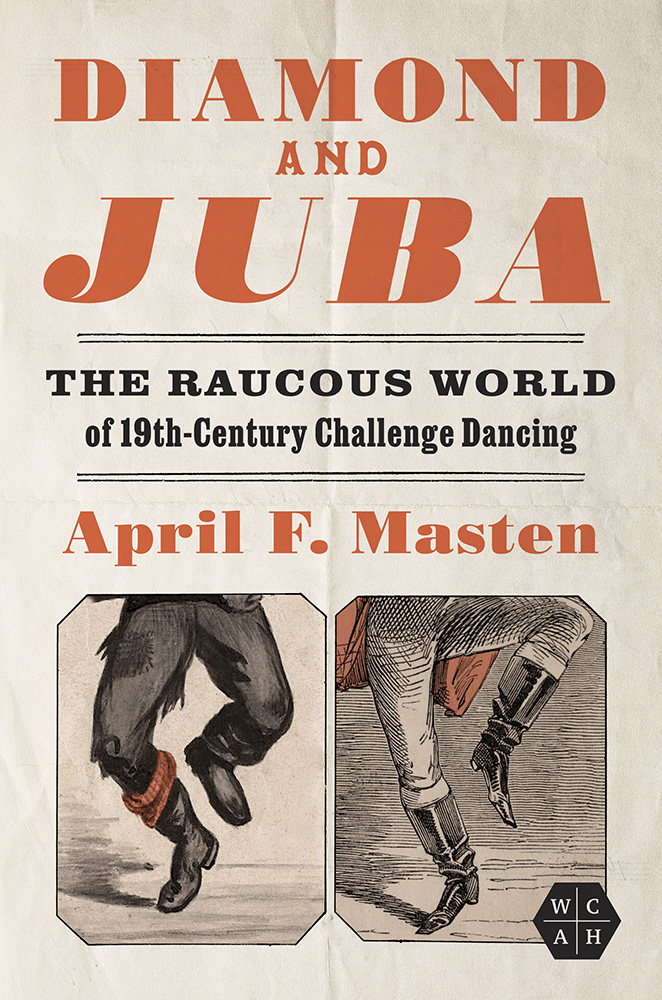
Diamond and Juba: The Raucous World of 19th-Century Challenge Dancing
By April F. Masten
During the tumultuous years before the Civil War, Irish American John Diamond and African American William Henry Lane, known as Juba, became internationally famous as competitors in the art and sport of challenge dancing. April F. Masten’s dual biography reconstructs the lives and work of these extraordinary dancers, casting fresh light on their contributions to the history of American popular culture.
A vivid portrait of a forgotten world, Diamond and Juba tells the intertwined stories of two legendary performers.
Bulletin of the Council for Research in Music Education
“Secondary Choral Music Educators’ Usage of African American Spirituals in American Music Classrooms” by Michelle Z. Gibson
African American spirituals have served a variety of sociological functions throughout American history, from work songs to cryptic songs of freedom to anthems for civil rights and social justice. Given the unique combination of West African and Eurocentric musical characteristics found in the genre, spirituals require different pedagogical considerations than music of the Western classical art tradition, which has most closely been associated with formal American ensemble music learning. In this study, Gibson develops a descriptive analysis of American secondary choral music educators’ inclusion and current teaching practices concerning African American spirituals.