

The Church of Jesus Christ of Latter-day Saints originates with an act of translation, when Joseph Smith is said to have translated the Golden Plates to write the Book of Mormon, the religion’s founding text. Since then, translation has continued to be an important part of Mormonism as it has spread globally via the work of missionaries. In honor of National Translation Month, we wanted to highlight scholarship on Joseph Smith as a translator and the continued translation of Mormonism’s sacred texts into other languages.
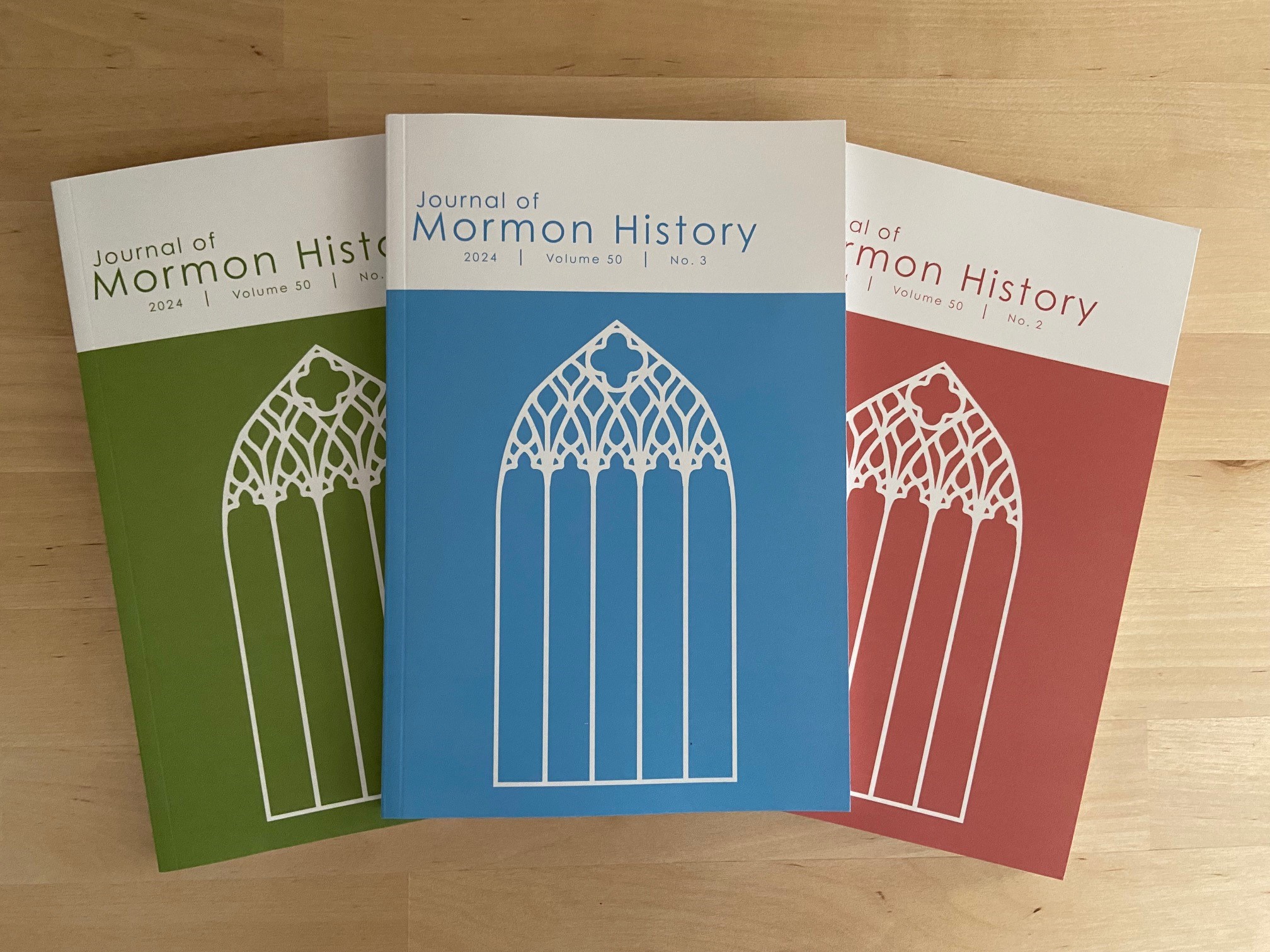
“‘Injected Some Catholic Doctrine’: The Portuguese Book of Mormon and the Standardization of Scripture Translation” by Jeremy Talmage (Vol. 50, Iss. 2)
In 1830, a revelation given through Joseph Smith commanded Latter-day Saints to take the Book of Mormon to “all nations, kindreds, tongues and people.” Preserving the purity of the gospel in other languages, though, proved more difficult than originally imagined. This article takes the Portuguese translation of the Book of Mormon as a case study, which contained significant errors in doctrine.
“Altering Translated Scriptures: The Case of Familiar Spirit (as a Key Phrase of the Restoration and as an Inapt Product of Jacobean Demonology)” by Wilfried Decoo (Vol. 49, Iss. 4)
This article studies the noun phrase a familiar spirit in the sentence “their speech shall be low out of the dust, and their voice shall be as one that hath a familiar spirit” in 2 Nephi 26:16, an echo from Isaiah 29:4 as worded in the King James Bible. The sentence is a key element in Restoration rhetoric, interpreted as predicting the emergence of the Book of Mormon. However, for its meaning in English and for its translation to other languages, familiar spirit presents an interesting linguo-historical case.
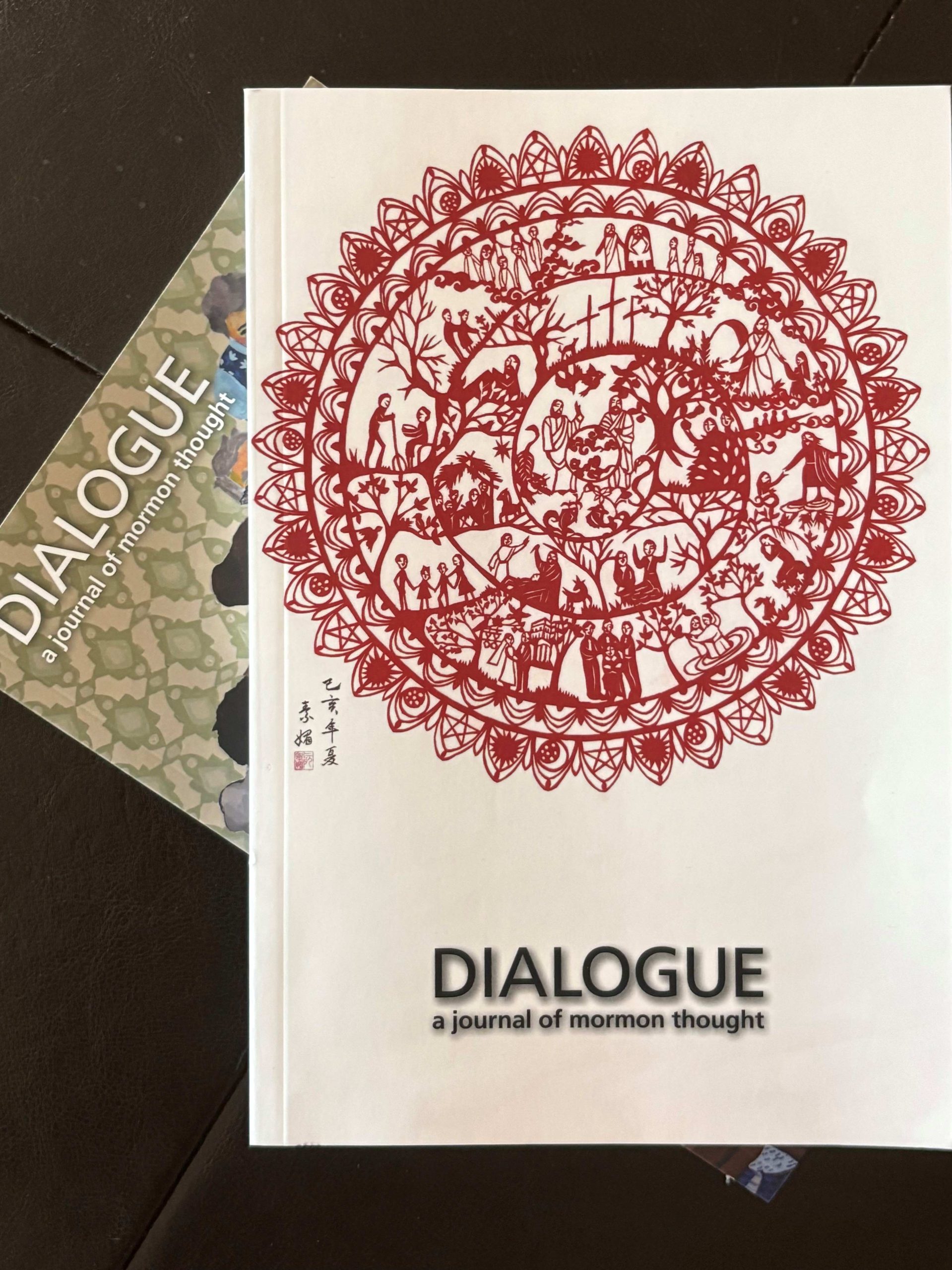
Dialogue: A Journal of Mormon Thought (OPEN ACCESS)
“Joseph Smith’s Spiritual Language: The Presence of Early Modern English in the Book of Mormon” by William L. Davis (Vol. 58, Iss. 2)
Was Joseph Smith involved in the translation of the Book of Mormon as an actual translator, or merely as a transcriber? The question hinges on the analytic lenses applied to the interpretation of evidence rather than the evidence itself. And, as Davis argues in this essay, the conclusion that Joseph Smith was not the actual English translator of the English rendition of the Book of Mormon does not derive from a comprehensive examination of all the valid interpretive possibilities.
“The Secular Binary of Joseph Smith’s Translations” by Michael Hubbard MacKay (Vol. 54, Iss. 3)
Were Joseph Smith’s translations based on a verifiable correspondence of symbols to English words, or did the process require a disconnected metaphysics that was incommensurable to the original symbols? With the intention of both contributing to and challenging existing scholarly discussions, this article will demonstrate Joseph’s realization of the incommensurability of his own translations by looking at his attempts to produce a linguistic translation
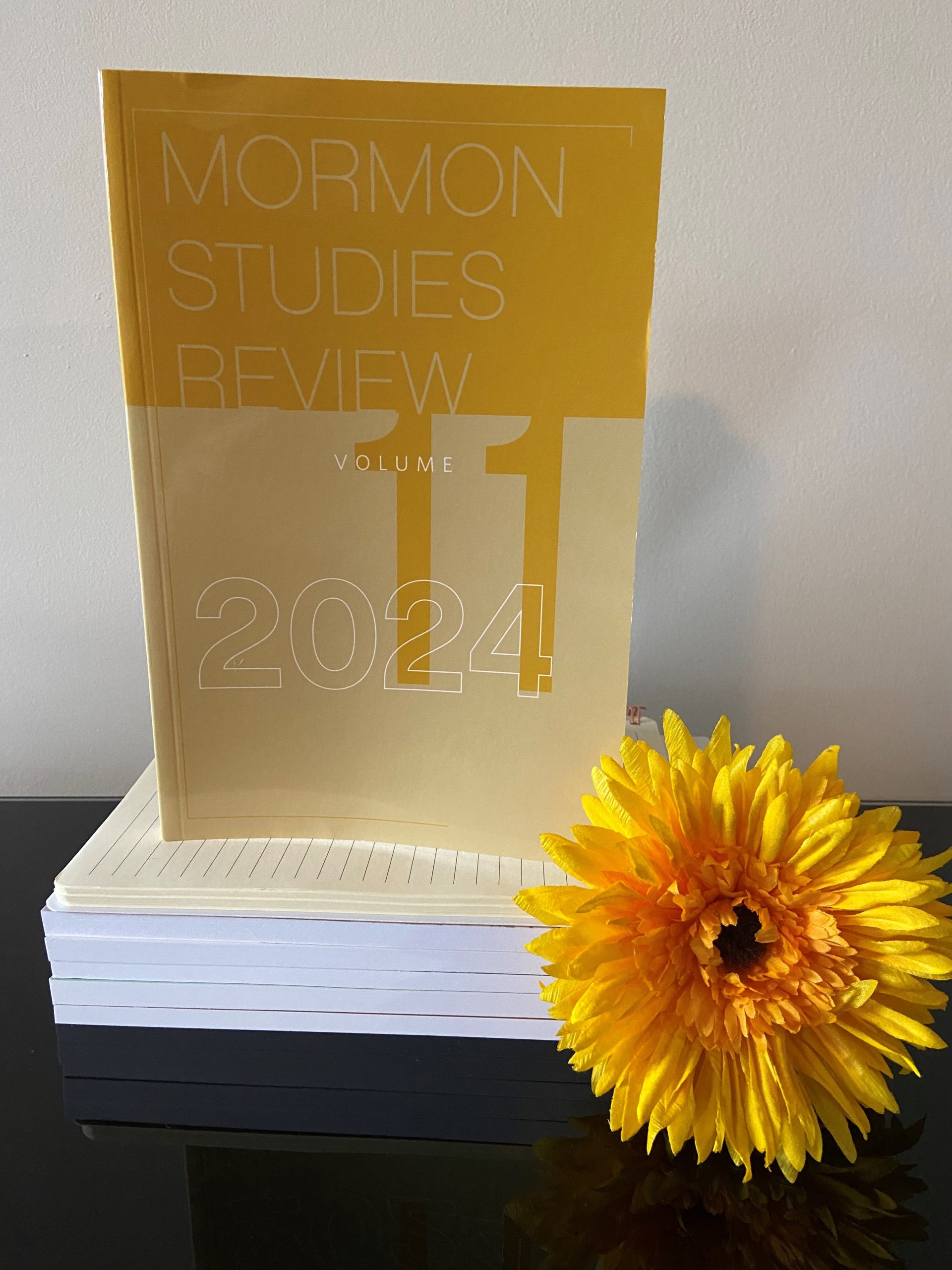
“The Joseph Smith Papers: Revelations and Translations” by Sonia Hazard (Vol. 11)
If a book is an object, what kind of object is it? Why was it made in the way that it was made? For whom, and for what purposes, was the object intended? Finally, how is it used by the different communities that encounter it? These are some questions that Hazard addresses in her review essay on The Joseph Smith Papers: Revelations and Translations, volume 5, the long-anticipated facsimile edition of the original manuscript of the Book of Mormon.