Every year, the University of Illinois Press hires a graduate student from the University of Illinois Urbana-Champaign Department of English to spend the spring semester working at the Press and learning about publishing. Interns gain hands-on experience through concentrated residencies in each of four departments at the Press: acquisitions; editorial, design, and production; marketing; and journals.
Below is a reflection from our most recent intern, Diana Towner, on her experience as the 2026 ‘Round-the-Press Intern. From all of us at the Press, thank you for your great work this semester, Diana!
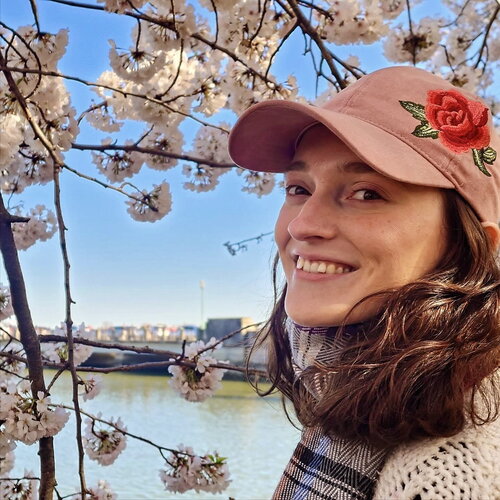
Hello! My name is Diana Towner, and I interned with the University of Illinois Press for the Spring 2026 semester. I am an MFA student in creative writing with a concentration in fiction. I have also worked with Ninth Letter literary magazine as an associate editor, and coming into this internship, I was excited to gain more publishing experience. Throughout my internship, the people I worked with have all been incredibly supportive and generous with their time, advice, and resources. I had a vague idea of the publishing pipeline, but being involved in each step from acquisitions to marketing helped me more clearly understand all the work that goes into publishing.
I started in Acquisitions, where I assisted with research, wrote abstracts, and attended meetings. During my time there, I witnessed the care that acquisitions editors showed toward their work. When I asked editors about their experience, many of them told me they enjoyed the “mission-focused” environment where, over the course of the acquisitions process, they worked closely with authors who were deeply passionate about their manuscripts.
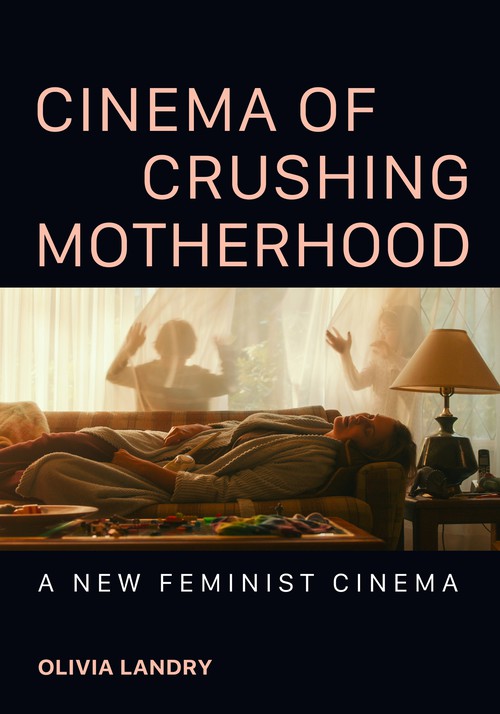
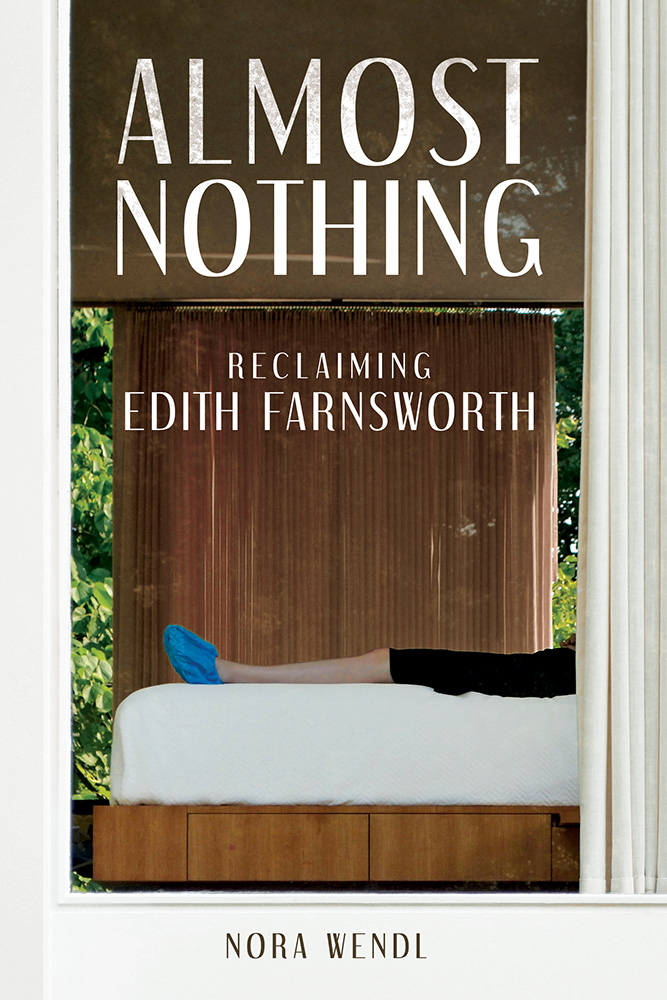
After acquisitions, I moved to the Editorial department, where I practiced coding manuscripts for two published books: Cinema of Crushing Motherhood by Olivia Landry and Almost Nothing by Nora Wendl. Cinema of Crushing Motherhood is a feminist analysis of the ways 21st-century film presents motherhood as a source of negative emotions, challenging the impossible expectation that mothers must be perfect. (After coding this, I wanted to call my mom and thank her for everything she’s ever done.) Almost Nothing by Nora Wendl is a lyric memoir that braids the life of Dr. Edith Farnsworth and the construction of the glass Farnsworth House with Wendl’s experience researching this history. Both manuscripts were fantastic reads, both for their writing style and for the depth of their ideas. As it happens, Wendl’s book recently won the Certificate of Excellence from the Illinois State Historical Society’s 2026 Best of Illinois History Awards. It was exciting to recognize one of the books in the awards list as a manuscript I had read.
From editorial, I moved to the Design Department, where I had the opportunity to design book covers. I studied visual arts as an undergraduate, and taking on graphic design projects was a rewarding return to artistic creativity. The design team was so supportive, and I learned how much work goes into designing every aspect of a book. I finished my time in EDP with Production, where I learned about the layout process in Adobe InDesign. I loved the hands-on learning as I practiced laying out manuscripts, choosing fonts, and adding design elements, and near the end of this rotation, I worked on my own project, a short cookbook of recipes from family and friends. From EDP, I moved into Marketing, where I pulled blurbs from book reviews to use as promotional material and wrote marketing copy for an upcoming title. Additionally, I got to draw once more on my visual arts background (no pun intended) by creating storyboards for a conceptual book trailer.
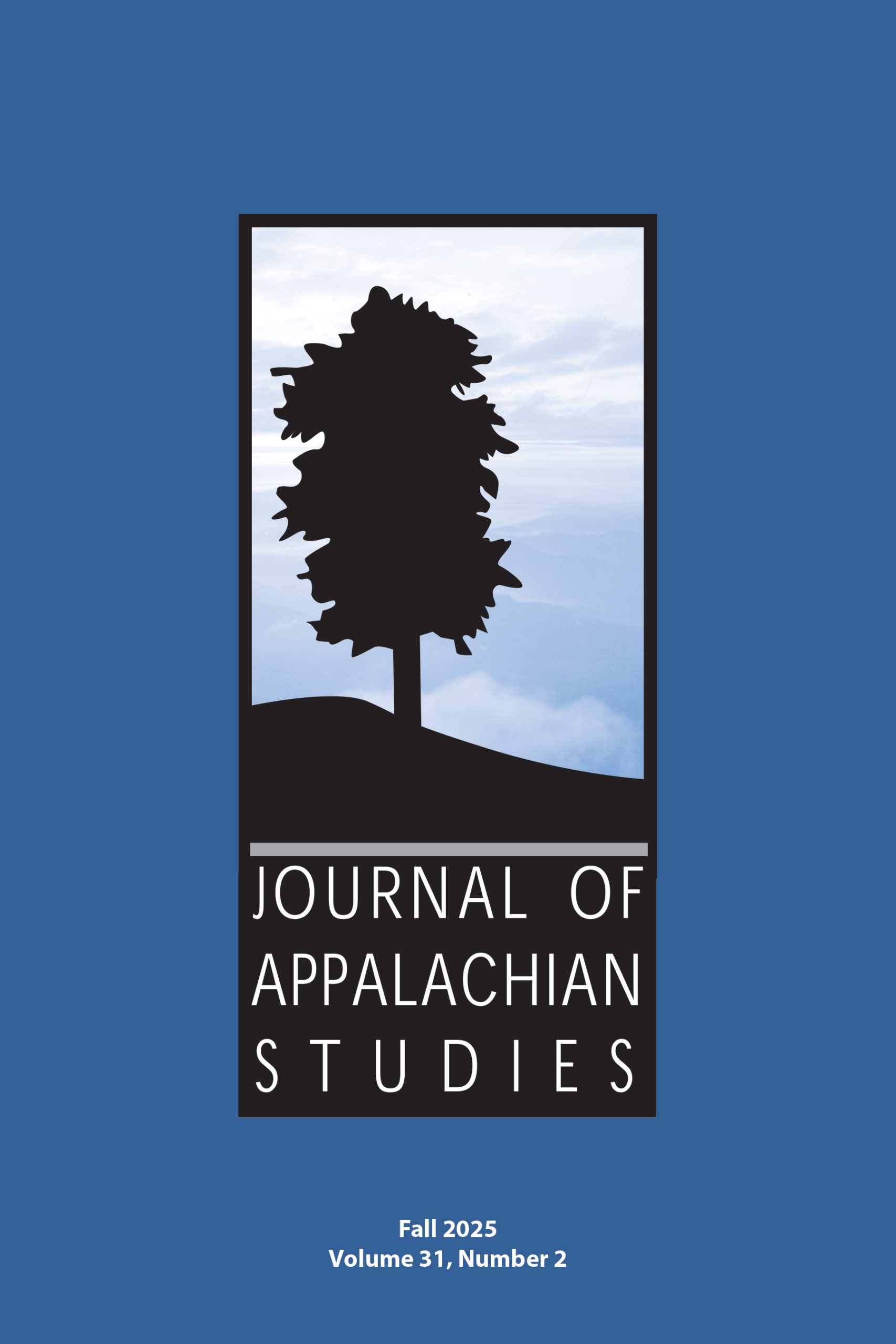
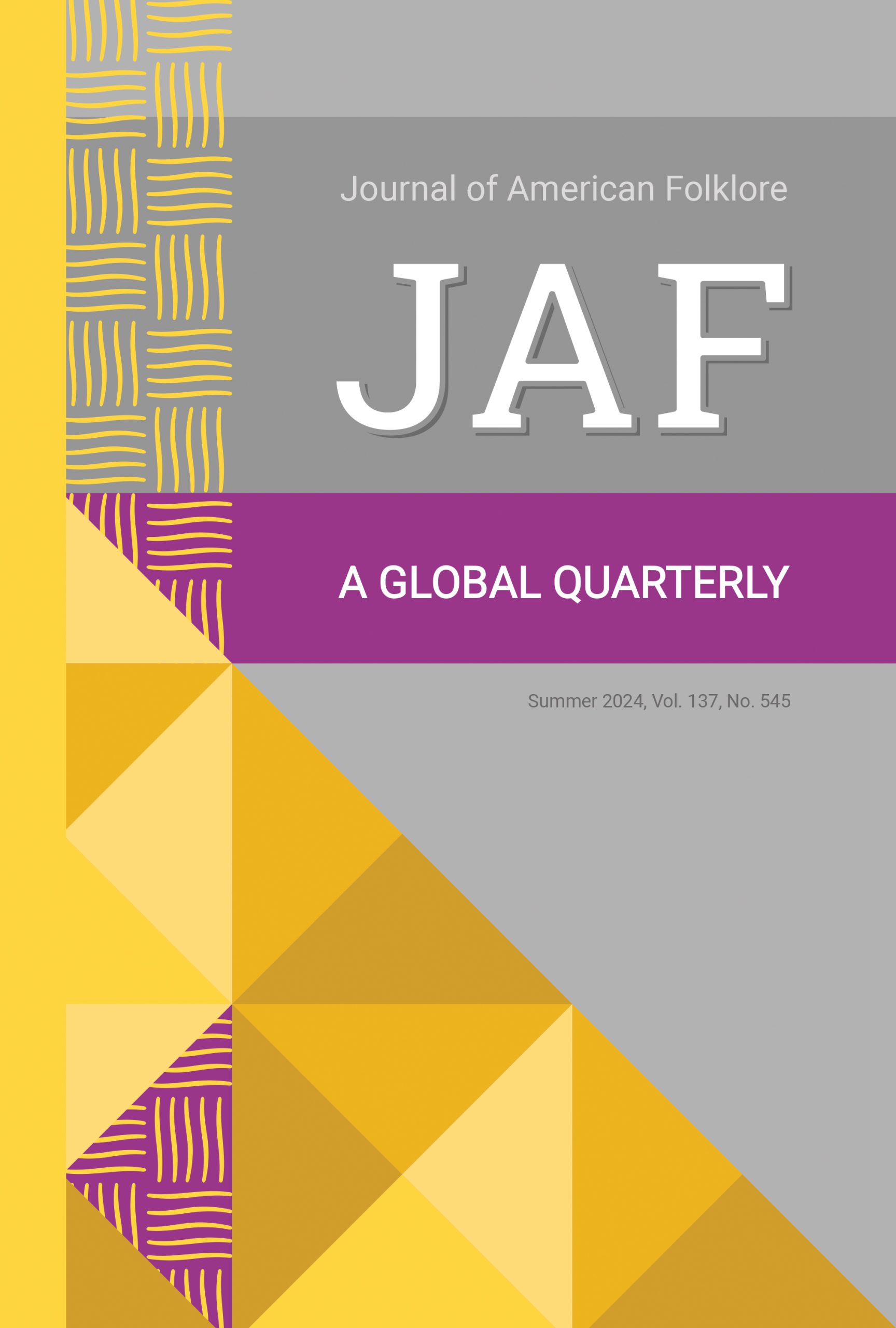
I finished my internship with the Journals Department. The University of Illinois Press publishes over 40 journals a year, and I came across many publications that piqued my interest, like “Domestic Orientalism: Barbara Kingsolver’s Demon Copperhead as a Counter to the Stereotyping of the Appalachians” from Journal of Appalachian Studies. As someone who loves Kingsolver’s fiction, I found it fascinating to read about the greater cultural context of Demon Copperhead and the ways Kingsolver intentionally weaves politics and commentary on class throughout her storytelling. Additionally, I enjoyed Journal of American Folklore’s special issue on “Folklore Studies and Disability.” This issue focuses on the ways disability studies and folklore studies overlap and what role folklorists can play in engaging with disability studies in their theory and research.
Overall, this internship has been rewarding in so many ways. Working with the Press showed me a glimpse into the breadth and depth of current academic thought and discourse, and I’m leaving the internship feeling excited, both for my own professional goals and for the enjoyment of learning.
Please direct any questions about our internship program to uipress@uillinois.edu.