
Kristina F. Nielsen, author of Aztec Music and Dance in California, answers questions about her new book.
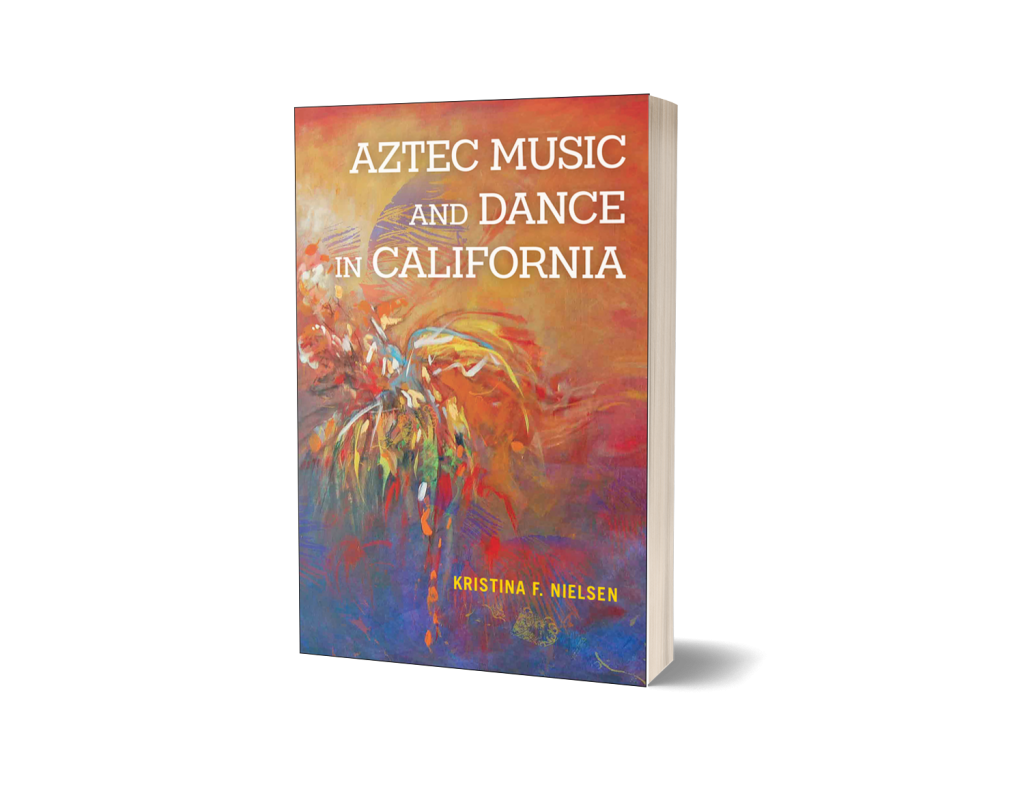
Q: Why did you decide to write this book?
In spring 2012, I completed a project for a seminar where I had my first conversations with Aztec dancers. I had been interested in Mesoamerican music archaeology, and I was immediately struck by how Aztec dance communities used these instruments and thought about their sounds through a historical lens. I also found myself intrigued by the questions Aztec dancers grapple with regarding cultural reclamation and revitalization, the different ways Indigeneity is defined in Mexico and the United States, and related questions about identity and history.
Q: What is the most interesting discovery you made while researching and writing your book?
There were quite a few moments early in my research that really forced me to revisit some of how I had understood colonization to have happened. I was also struck by the ways in which Nahua peoples, who are one of the larger Indigenous groups of Central Mexico and who ruled the Aztec Empire, mediated a lot of colonial encounters and shaped the views of the Spanish. For example, many are familiar with the fall of Moctezuma; however, the fall of the Aztec Empire was not the end of royal line, and the Spanish and Mexican governments still paid pensions to some of his descendants till the early twentieth century. Furthermore, the great-granddaughter of Moctezuma was married to Juan de Oñate, who was a particularly brutal governor in New Mexico. Furthermore, even the country of “Guatemala,” which is a Maya region that speaks other Indigenous and Creole languages, is still known by the Nahua term for it (“place of the trees”) as they oriented the Spanish in their understanding of the Americas. As I continued my research and connecting dance today with nationalism and these deeper layers dating to the colonial era and before it, I was repeatedly intrigued by the ways in which Nahua peoples laid a groundwork for a contemporary Mexican nationalism that still often centers Nahua peoples and narratives despite the many other Indigenous peoples that reside within the contemporary borders of Mexico.
Q: What myths do you hope your book will dispel or what do you hope your book will help readers unlearn?
Throughout my process of writing this book, I have consistently observed the lingering power of written works. I think there is an impression in academic circles that their scholarship is contained to academics, but that is very much not the case––especially among communities that are looking closely at history and undertaking their own revitalization projects, as in the case of Aztec dance. One of the problems that has stood out to me is that, because a majority of more recent scholarship is not widely available to communities, important updates are not readily shared. I hope that academics might start thinking more about accessibility and our ethical responsibilities as we look at our disciplinary histories and publications that still circulate widely and give credibility to problematic ideas. This project has only strengthened my belief in the importance of collaborative dialogues between communities and researchers.
Q: Which part of the publishing process did you find the most interesting?
The most interesting part to me has been learning the various publishing steps involved that I did not have familiarity with before embarking on this project. I have been deeply grateful for the mentorship I received along the way and the reviewers who took the time to share thoughtful feedback that improved the book.
Q: What is your advice to scholars/authors who want to take on a similar project?
I would say that mentors have been an invaluable part of this process. I am so incredibly appreciative of the people who took the time to guide me along the way. When I first thought about writing this book, I assumed it would be very similar to writing my dissertation. It took a while to learn the difference between the two and feel comfortable with my writing voice within the genre of a “book.” From my experience, finding that voice was slow work and required writing a lot of pages that did not make it into the final version.
Q: What do you like to read/watch/or listen to for fun?
Currently, I am reading a lot of fiction. I’ve been reading James: A Novel most recently, and I just finished The Hobbit, which didn’t resonate with me earlier in life but that I really enjoyed now. I also recently read Remarkably Bright Creatures. I do watch quite a bit of tv, and right now I am really enjoying Severance. I enjoy listening to books while I garden.
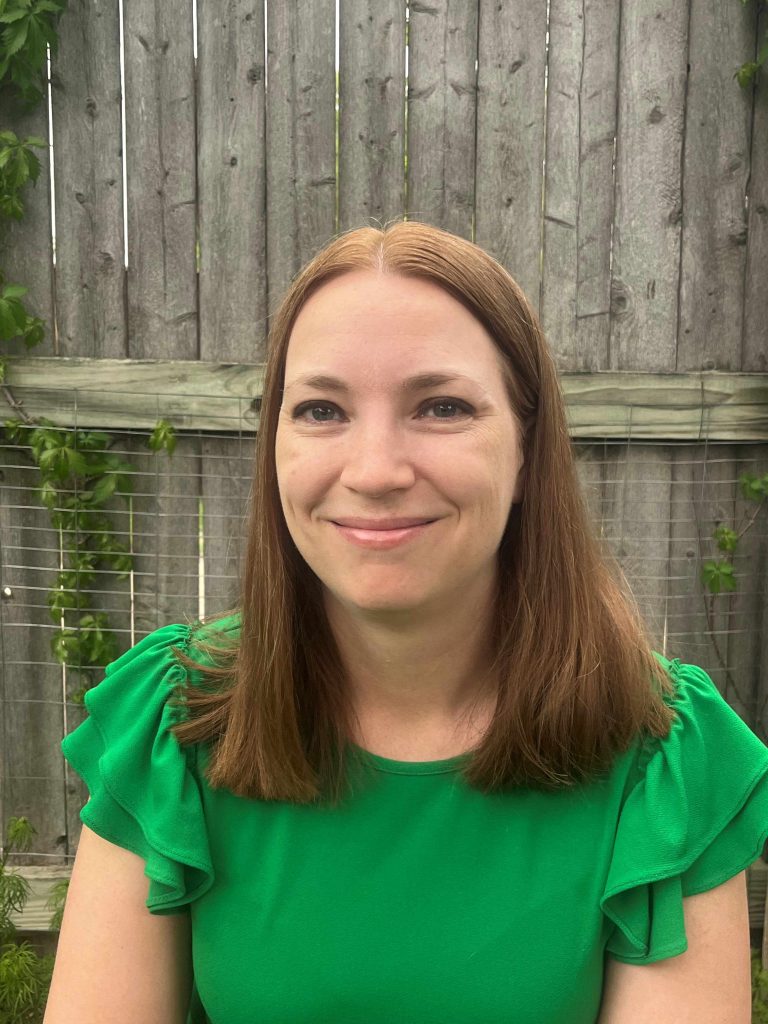
Kristina F. Nielsen is an associate professor of musicology at Southern Methodist University.