
Yndia Lorick-Wilmot and Natasha Gordon-Chipembere, editors of Tengo Sed: An Anthology of Works Celebrating Black Voices, Identities, and Personhood, answer questions about their new book.
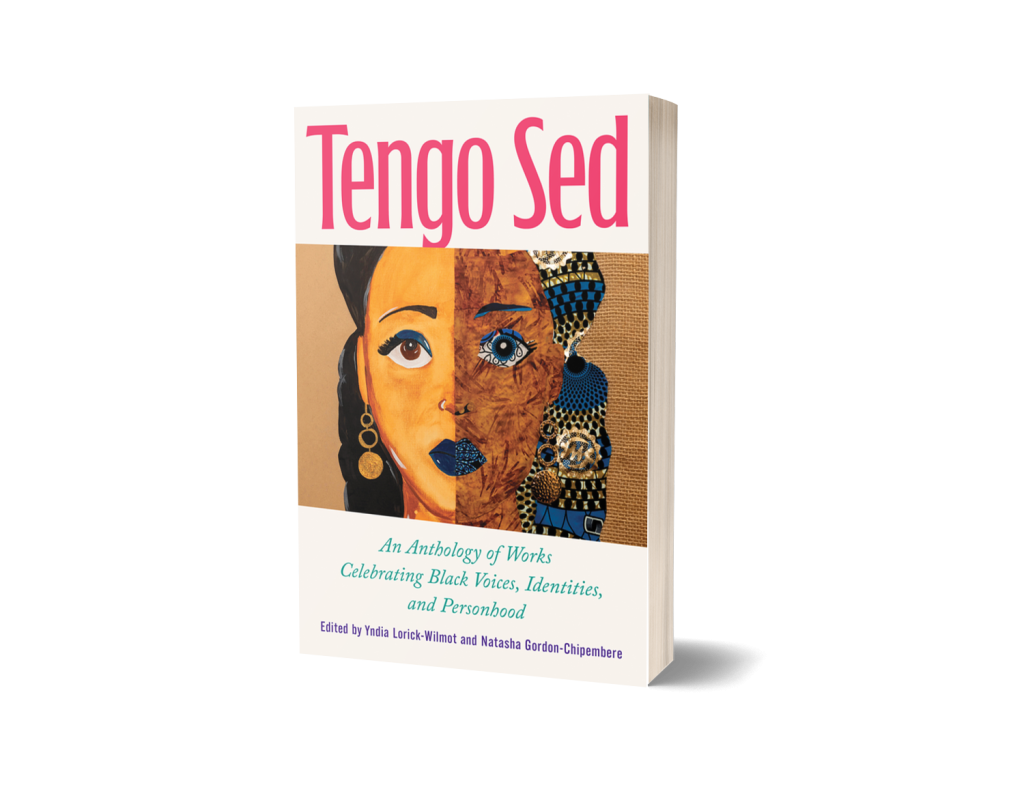
Q: Why did you decide to write this book?
We wanted to memorialize the annual Tengo Sed Writers Retreats in Costa Rica, capturing the beauty and brilliance of our BIPOC community and time together.
Q: What is the most interesting discovery you made while researching and writing your book?
We realized that regardless of the accolades and awards that each participant carries with them, each member comes to the Retreat as themselves, ready to be in fellowship and sisterhood. We also kept feeling the legacy of the 1970s Black women writers group, The Sisterhood. They never had the chance to bring an anthology to fruition so it is in their name that we put together
this book – in respect, reverence and love.
Q: What myths do you hope your book will dispel or what do you hope your book will help
readers unlearn?
This anthology allows for the unification of African descended people of diverse backgrounds to
create works that demonstrate a kind of consciousness that is not intended as a universal or that
is race-free but ones that are reflective of the lived experiences and realities of “Blackness” as
they view it. The perfectly good, flawed, complicated, human experiences that are often
negatively looked at from a perspective that seeks to deny or hide the depth and richness of life.
Different from other collections and anthologies, however, is that Tengo Sed seeks to expand a dialogue that is
not simply about including the diversity of the African descended perspective and experience but
one that combines amplifying the Black aesthetic while celebrating the power of community. In
other words, it breaks apart clear divisions in materiality and form and pushes back against linear
lines of “Western”-style historicization in the ways creative works are compiled together into one
body. As such, the anthology does not isolate the role of artist and writer but presents them as
interdependent. Artists also write, and writers can engage in the artistic process of curation. To
that end, the goal of the anthology is to capture the ongoing cultivation of Black creativity in the
emancipatory context of the Tengo Sed Writers’ Retreat. Indeed, the works presented are only a
snapshot of the works participants have engaged in since their participation. The anthology,
however, serves as a way to identify and amplify the aesthetic work of the contributors while in
community. Tengo Sed represents the opportunity to continue a conversation that considers the power and
impact of community as emancipatory creative spaces in order to amplify and promote the
visibility of Black voices, identity and personhood globally and locally.
Q: Which part of the publishing process did you find the most interesting?
We really enjoyed working as co-editors on this project.
Q: What is your advice to scholars/authors who want to take on a similar project?
Since this is an anthology, it is useful to work in collaboration with other authors.
Q: What do you like to read/watch/or listen to for fun?
Natasha:
Listen: Kes the Band from Trinidad is my favorite band (soca music).
Watch: All things Bridgerton and Jane Austen!
Read: Historical fiction/historical romance are my favorite genres to read and write! But, I read
widely and here are some of my favorite authors Vanessa Riley, Tara Roberts, Saidiya Haartman,
Aminatta Forna, Charmaine Wilkerson, Elizabeth Nunez, Myriam Chancy, Edwidge Danticat,
Arundathi Roy, Jhumpa Lahari, Sindiwe Magona, Uche Blackstock, Kennedy Ryan, Audre
Lorde, bell hooks, Michelle Obama, Victoria Christopher Murray, Zora Neale Hurston, Olumide
Poopola, Nicole Deniss-Benn, Julia Alvarez, Kiran Desai, Octavia Butler, Dorothy Mosby,
Sadequa Johnson, Marlon James, Anton Nimblett, Ta-Nehisi Coates, and Honoree Fannone
Jeffers.
Yndia:
Listen: Caribbean music (soca, Kompa) and Afro-beats
Watch: Murder mysteries, Comedies, Documentaries
Read: Fiction and NonFiction by Black and Latine women authors, including but not limited to
Audre Lorde, Zora Neale Hurston, Charmaine Wilkerson, Elizabeth Acevedo, Sadeqa Johnson,
bell hooks, Isabel Wilkerson, Edwidge Danticat, Honoree Fannone Jeffers, Saidiya Haartman,
Octavia Butler, Victoria C. Murray, Vanessa Riley, Ibi Zoboi, and Kennedy Ryan.
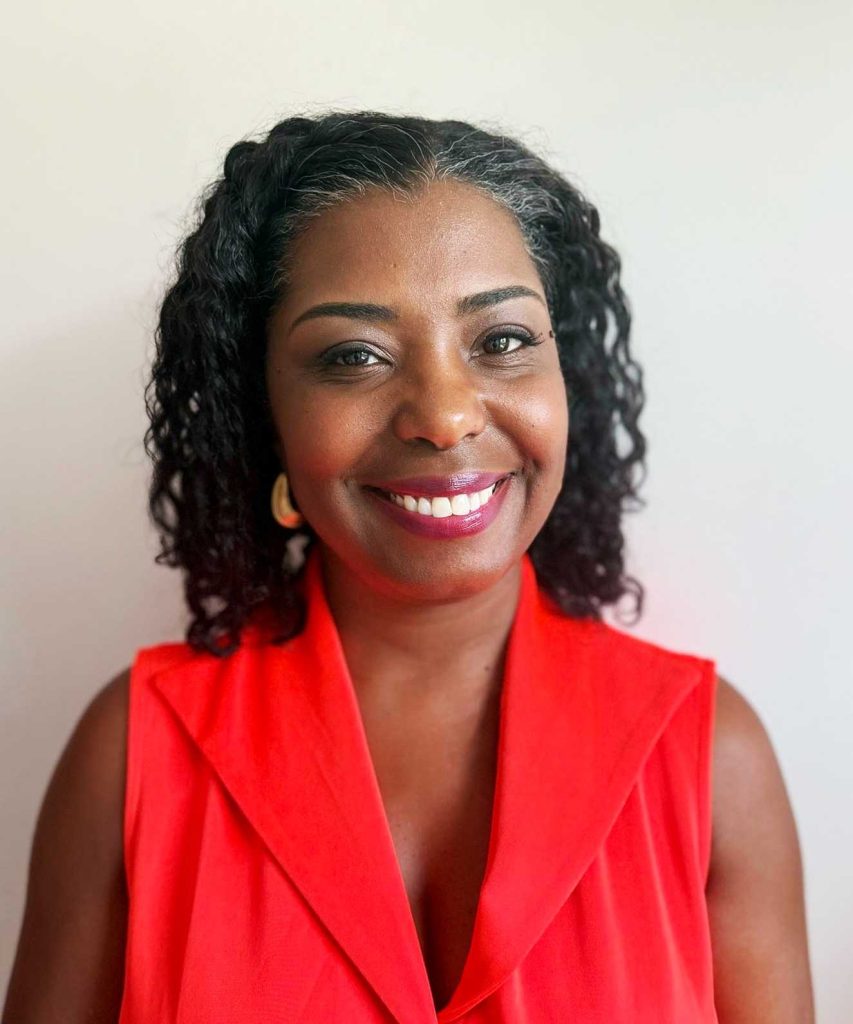
Yndia Lorick-Wilmot is a sociologist and creator of the award-winning podcast Belonging to Blackness. She is the author of Creating Black Caribbean Identity and Stories of Identity Among Black Middle Class Second-Generation Caribbeans.
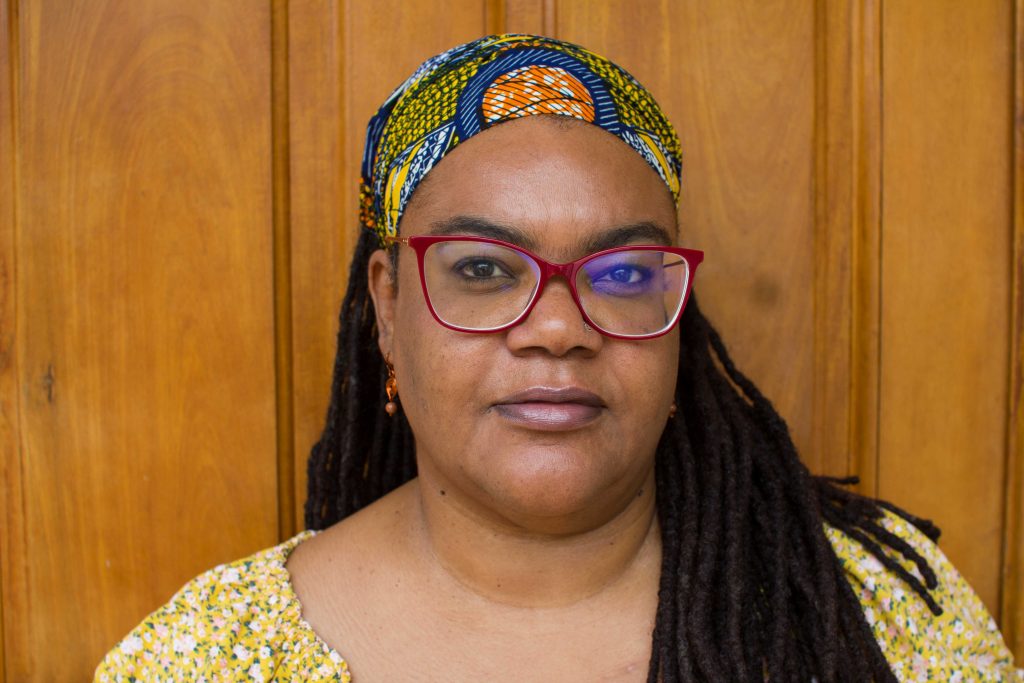
Natasha Gordon-Chipembere is a professor of African Diasporic literature and is the author of Representation and Black Womanhood: The Legacy of Sarah Baartman and the novel Finding La Negrita. She is the founder and host of Tengo Sed Writing Retreats in Costa Rica.