

When the Good Life Goes Bad: The US and Its Seven Deadly Sins
Stacey M. Floyd-Thomas
Foreword by Michael Eric Dyson
The Seven Deadly Sins have become the seven markers of success in America. Lust, pride, greed, sloth, envy, gluttony, wrath—these once-condemned principles now guide people’s pursuit of the good life.
Evocative and ambitious, When the Good Life Goes Bad takes readers on a wide-ranging journey through US life and culture to explain what corrupted the American dream.
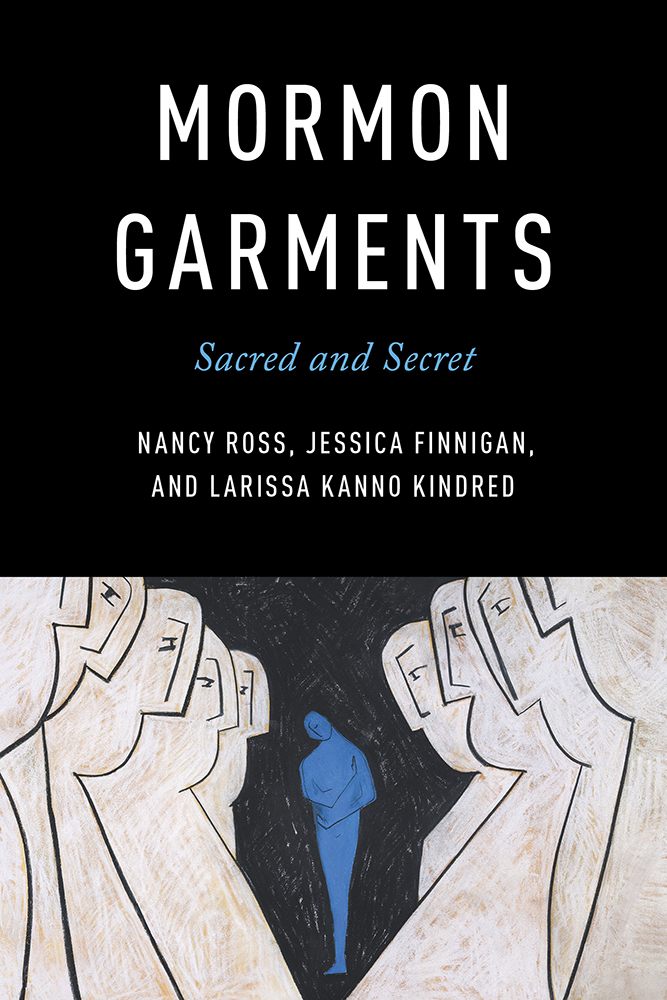
Mormon Garments: Sacred and Secret
Nancy Ross, Jessica Finnigan, and Larissa Kanno Kindred
The Church of Jesus Christ of Latter-day Saints requires that adult members wear garments under their clothes day and night. Though a central practice, the wearing of garments exists behind a wall of silence, as Church authorities and LDS culture discourage discussion of such a sacred matter.
Insightful and rich with detail, Mormon Garments sheds light on an intimate practice in the lives of Latter-day Saints.
History of Philosophy Quarterly
“Émilie Du Châtelet’s Account of Knowledge” by Clara Carus
This paper shows that there are two tiers of knowledge in Du Châtelet, wherein her axiomatic principles of knowledge, the principle of contradiction and the principle of sufficient reason, play a different role.
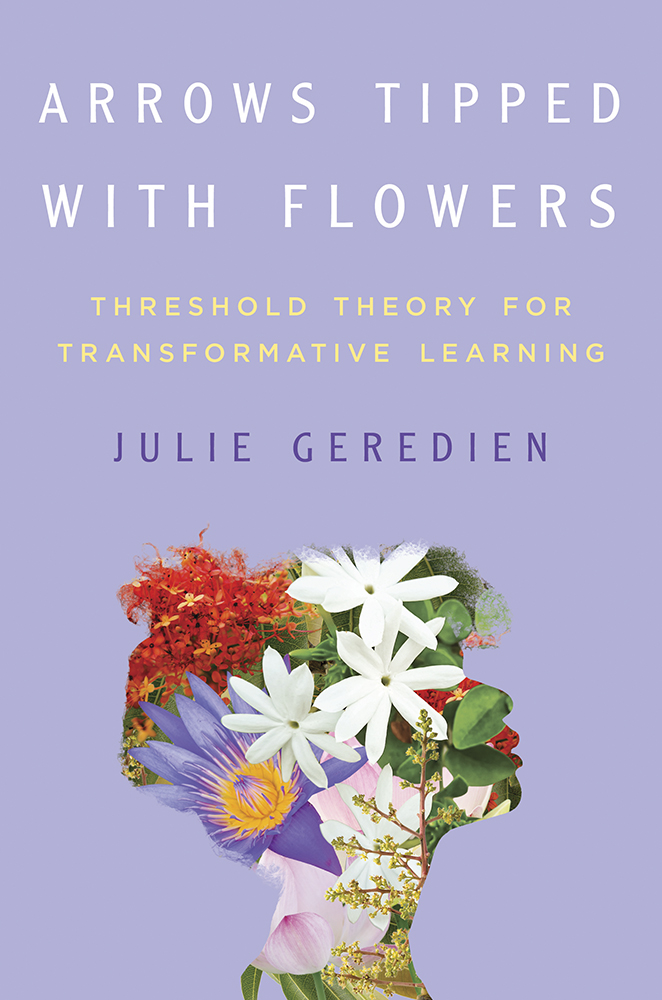
Arrows Tipped with Flowers: Threshold Theory for Transformative Learning
Julie Geredien
How can learning at the threshold change us and our world? Julie Geredien introduces an approach to transformative learning that draws on a wide range of cultural and disciplinary viewpoints.
Innovative and expansive, Arrows Tipped with Flowers reveals the psychology of integrity that underpins truly global learning and explains the need to develop more inclusive and reflective approaches to knowledge formation.

Diary of a Philosophy Student: Volume 3, 1926-30
Simone de Beauvoir
Translation by Barbara Klaw Edited by Barbara Klaw, Sylvie Le Bon de Beauvoir, and Margaret A. Simons with Marybeth Timmermann Foreword by Sylvie Le Bon de Beauvoir
Written between the age of eighteen and twenty-one, the entries in the third volume of Diary of a Philosophy Student take readers into Simone de Beauvoir’s thoughts while illuminating the people and ideas swirling around her. The pages offer rare insights into Beauvoir’s intellectual development; her early experiences with love, desire, and freedom; and relationships with friends like Élisabeth “Zaza” Lacon and Maurice Merleau-Ponty. It also presents Beauvoir’s shocking account of Jean-Paul Sartre’s sexual assault of her during their first sexual encounter–a revelation certain to transform views of her life and philosophy.
American Journal of Theology & Philosophy
“The Influence of Personalism on Harkness and King, Their Pacifism, and Their Persistence” by Natalya A. Cherry
Georgia Harkness, the first woman appointed a theology professor in an American theological school, and Martin Luther King, Jr. both had Personalist-influenced models of God that appear to undergird their commitments to nonviolence.
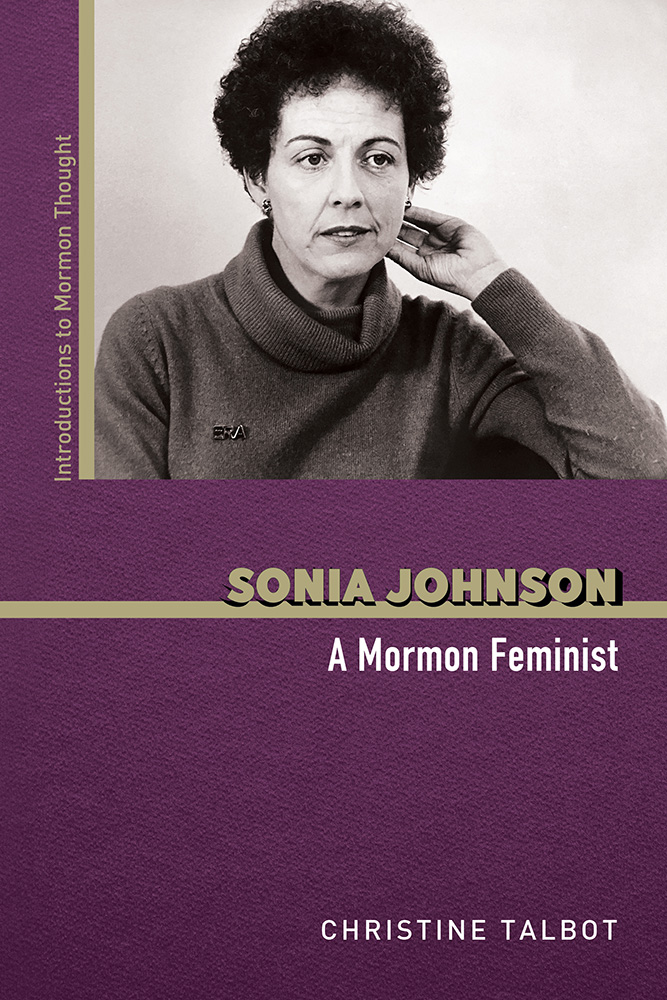
Sonia Johnson: A Mormon Feminist
Christine Talbot
Few figures in the history of the Church of Jesus Christ of Latter-day Saints provoke such visceral responses as Sonia Johnson. Her unrelenting public support of the Equal Rights Amendment (ERA) made her the face of LDS feminism while her subsequent excommunication roiled the faith community.
A revealing and long-overdue account, Sonia Johnson explores the life, work, and impact of the LDS feminist.

Do All the Good You Can: How Faith Shaped Hillary Rodham Clinton’s Politics
Gary Scott Smith
After more than forty contentious years in the public eye, Hillary Rodham Clinton is one of the best-known political figures in the nation. Yet the strong religious faith at the heart of her politics and personal life often remains confounding, if not mysterious, to longtime observers. Even many of her admirers would be surprised to hear Clinton state that her Methodist outlook has “been a huge part of who I am and how I have seen the world, and what I believe in, and what I have tried to do in my life.”
“Technologies of the Selfie: Mormon Influencers and the Performance of Gender Online” by Kate Davis
This essay uses Mormon women who act as social influencers to demonstrate how new and developing online spaces expand the possibilities for religious expression, power, and dialogue while also constricting the boundaries for what it means to be a publicly legible Mormon woman.
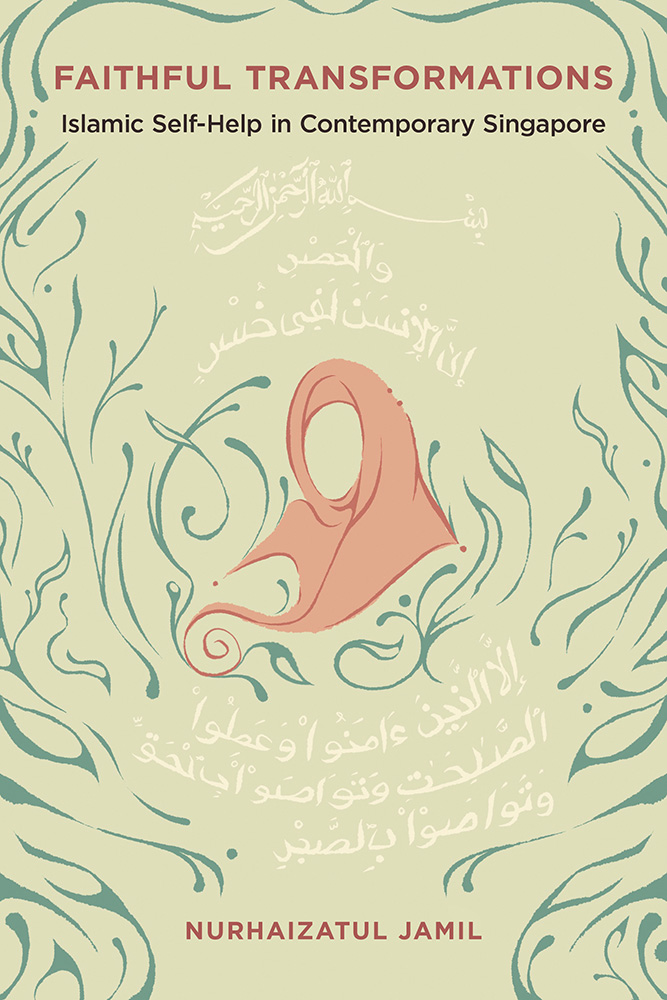
Faithful Transformations: Islamic Self-Help in Contemporary Singapore
Nurhaizatul Jamil
Malay Muslim women in Singapore cultivate piety by attending popular Islamic self-help classes. Nurhaizatul Jamil’s ethnographic study offers an interdisciplinary analysis of this phenomenon.
A provocative and rich ethnography, Faithful Transformations tells the stories of Malay Muslim women desiring piety and self-improvement as minoritized subjects in contemporary Singapore while exploring the limitations of self-care.
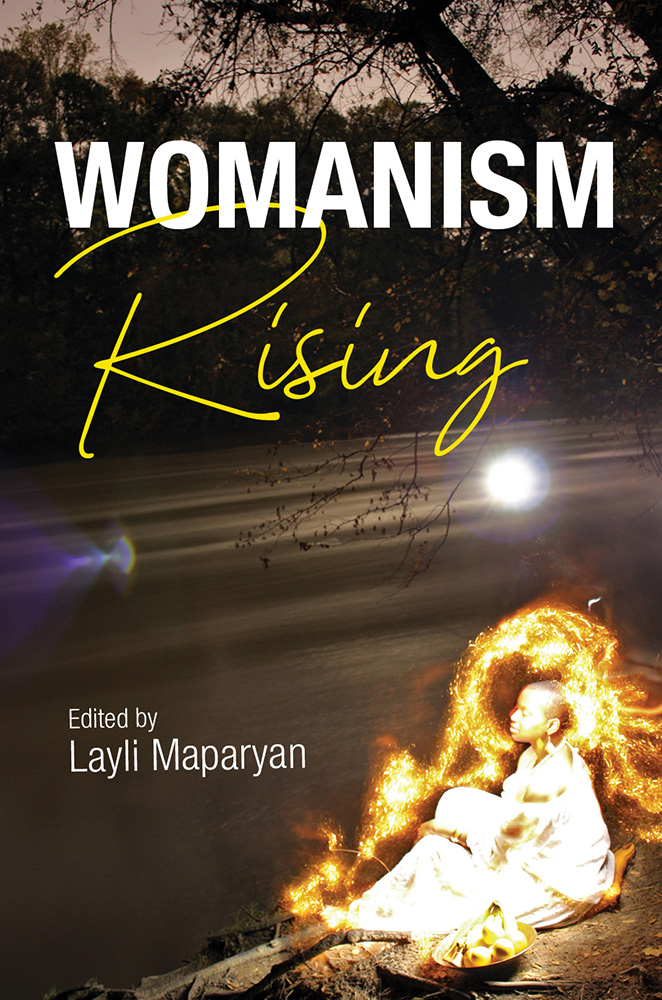
Womanism Rising
Edited by Layli Maparyan
Womanism Rising concludes Layli Maparyan’s three-book exploration of womanist studies. The collection showcases new work by emerging womanist authors who expand the womanist idea while extending womanism to new sites, new problems, and new audiences.
Defiant and far-sighted, Womanism Rising takes readers on a journey into a new generation of concepts, ideas, and strategies for womanist studies.
“Origins and Myths: Revising the Founding Story of the Latter-day Saint Young Women Organization” by Lisa Olsen Tait
The founding story of the Young Women’s Mutual Improvement Association might best be understood as a mythologized narrative. For historians today, it sheds further light on how the Retrenchment movement unfolded among women at a time of heightened worry about the boundaries of the LDS community.
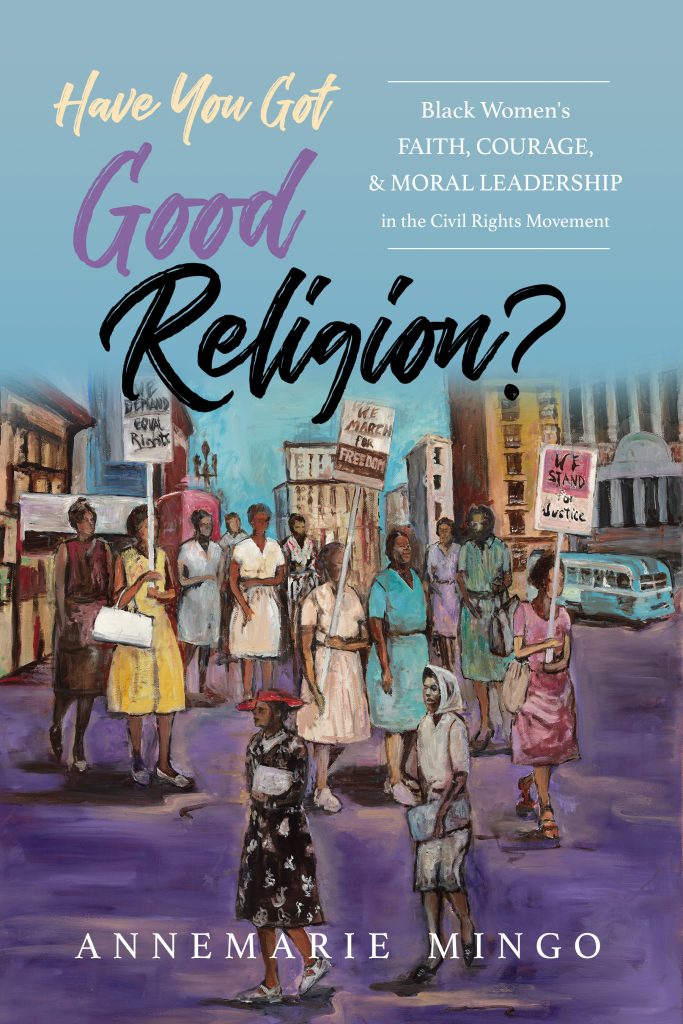
Have You Got Good Religion?: Black Women’s Faith, Courage, and Moral Leadership in the Civil Rights Movement
AnneMarie Mingo
What compels a person to risk her life to change deeply rooted systems of injustice in ways that may not benefit her? The thousands of Black Churchwomen who took part in civil rights protests drew on faith, courage, and moral imagination to acquire the lived experiences at the heart of the answers to that question. AnneMarie Mingo brings these forgotten witnesses into the historical narrative to explore the moral and ethical world of a generation of Black Churchwomen and the extraordinary liberation theology they created.
Mormon Women at the Crossroads: Global Narratives and the Power of Connectedness
Caroline Kline
The Church of Jesus Christ of Latter-day Saints continues to contend with longstanding tensions surrounding gender and race. Yet women of color in the United States and across the Global South adopt and adapt the faith to their contexts, many sharing the high level of satisfaction expressed by Latter-day Saints in general. Caroline Kline explores the ways Latter-day Saint women of color in Mexico, Botswana, and the United States navigate gender norms, but also how their moral priorities and actions challenge Western feminist assumptions.