

Did you know September is National Translation Month? In honor of the essential service that translators provide the humanities, we wanted to highlight some of the translations recently published in University of Illinois Press journals, as well as articles that focus more generally on the topic of translation.
Be sure to keep an eye on the blog for Part 2 of our National Translation Month Reading List — A Focus on Translation in Mormon Studies! And if you’re looking for more, check out our full list of translated books here.
Translations
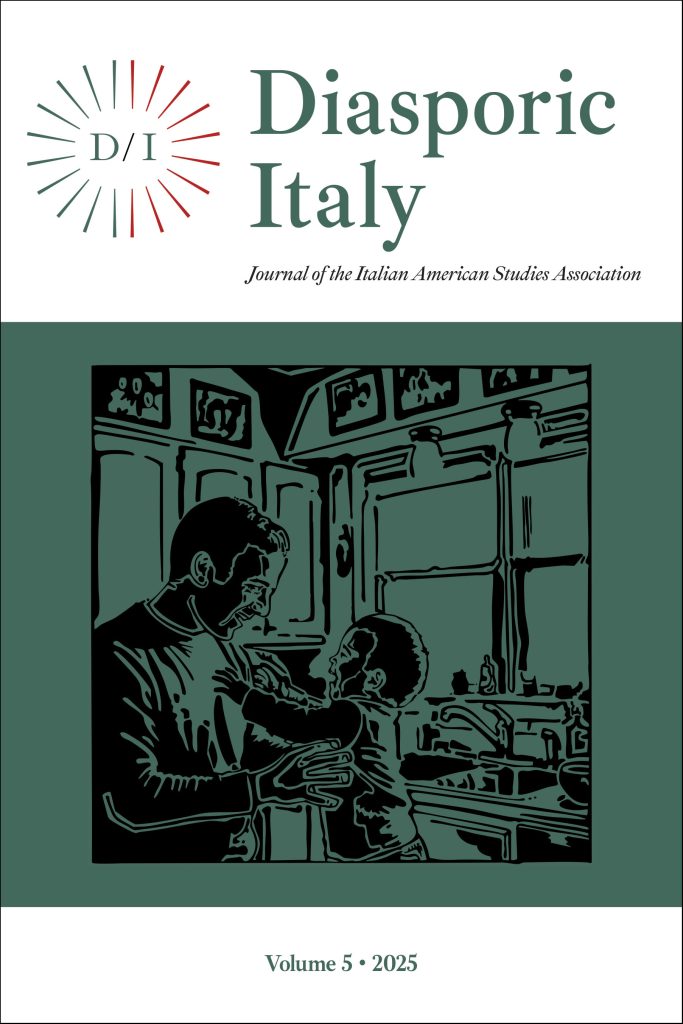
Vol. 5 of Diasporic Italy is a special issue on “Fathers and Sons” in Italian American film and literature and it features a “Diaspora in Translation” section. This section features Italian translations of two excerpts from novels written by Italian American authors that are analyzed in a separate scholarly article in the issue.
- Read the Italian language excerpt from The Right Thing to Do by Josephine Gattuso Hendin, translated by Enrico Mariani
- Read the Italian language excerpt from Twisted Head: An Italian American Memoir by Carl Capotorto, translated by Margherita Lanza
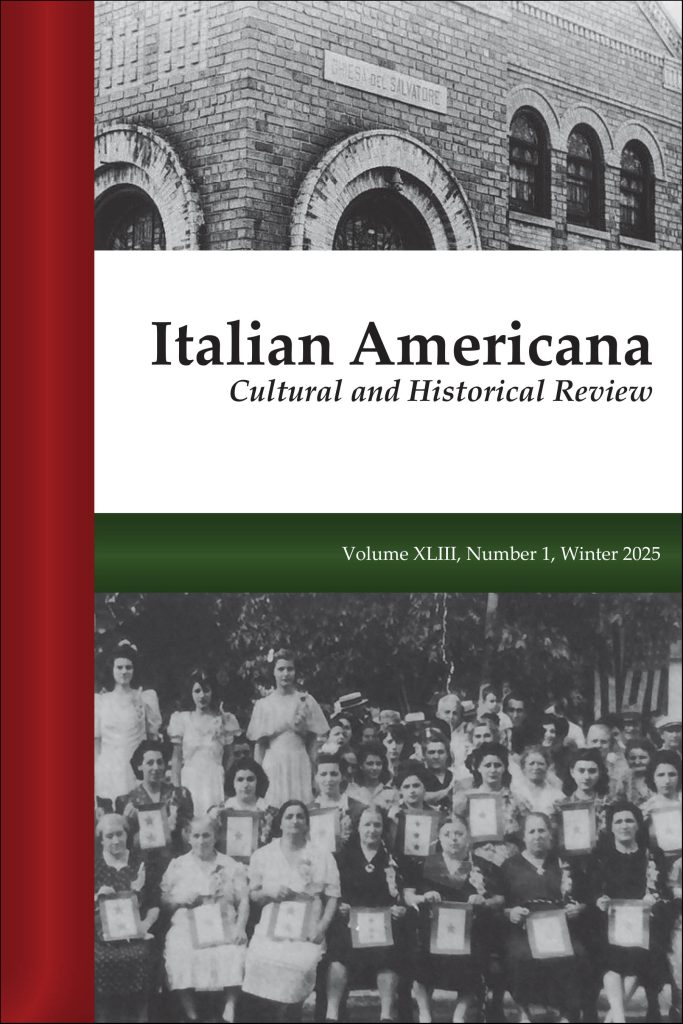
Vol. 43, Iss. 1 of Italian Americana includes a “Poetry in Translation” section. In this section, Michael Palma translates The Paradiso of Dante: Canto V from the original Italian into English.
Scholarship about Translating
Journal of English and German Philology
“Beowulf Translation in the 1830s: Three Unobserved Cases and the History They Make” by Britt Mize (Vol. 124, Iss. 4)
The 1830s were the first fertile decade of Beowulf’s translation history. In this article, Mize discusses three translations from the decade that have not been sufficiently studied: the poetry of young Alfred Tennyson, a collaboration with Pillippe de Larenaudière and Thomas Wright, and a self-contained poem by George Borrow.
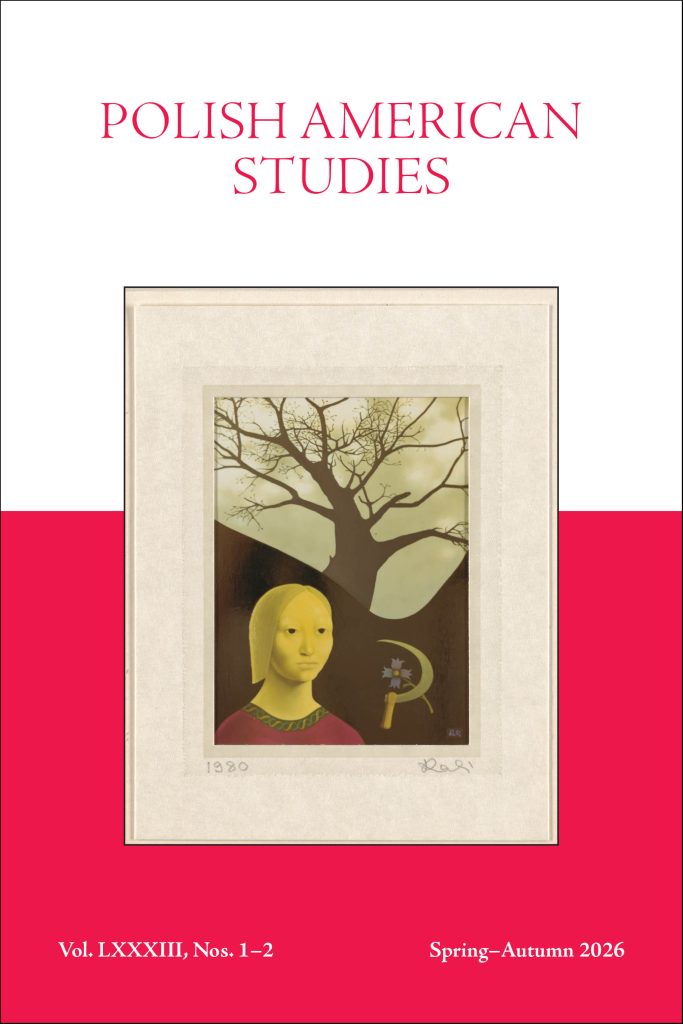
“Of Migrant Decisions and Men: Anna Maksymiuk Kieturakis, Translator, Wife, Mother” by Mary Patrice Erdmans (Vol. 83, Iss. 1-2)
Many theories of migration examine external factors to explain migrant decisions to leave, to stay, and to return. What we overlook in these economic rational actor models is an understanding of how migration decisions are embedded in social relationships. This article examines the motivations of Anna Maksymiuk Kieturakis, who was part of a corps of translators during the Gda?sk strikes in 1980, to leave Poland.