
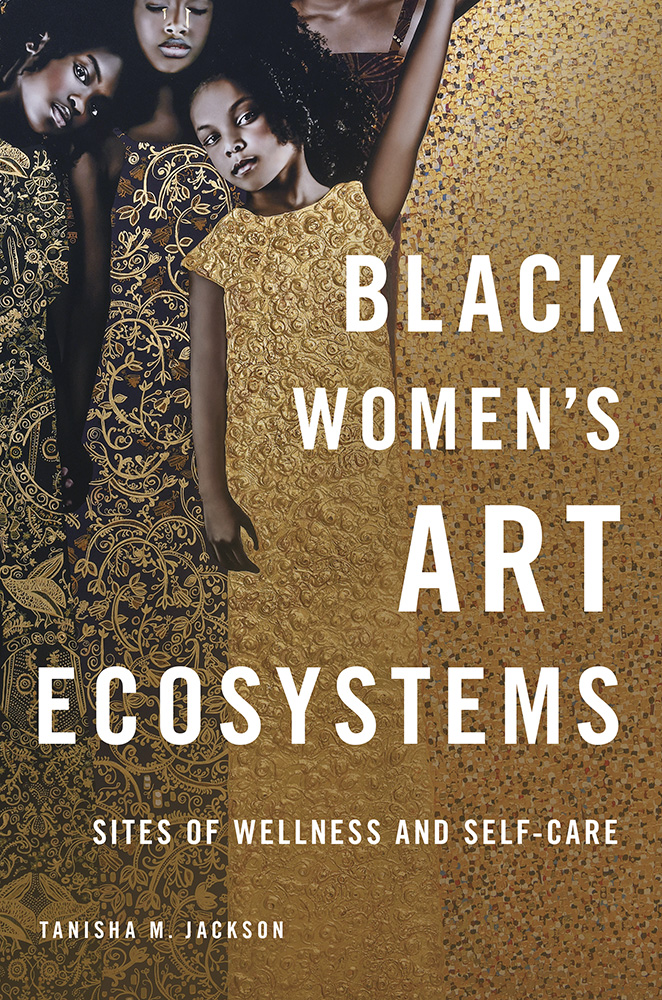
Black Women’s Art Ecosystems: Sites of Wellness and Self-Care
Tanisha M. Jackson
It is not an uncommon burden but rather a choice that Black women artists embrace creating art as a socio-political strategy to save themselves and their communities. Tanisha M. Jackson analyzes visual and personal narratives, historical archives, and artmaking practices to reveal how Black women artists facilitate wellness through creative expression and cultural knowledge.
A meticulous portrait and inspiring roadmap, Black Women’s Art Ecosystems celebrates Black women’s artistic achievements while revealing how their work creates communities of restoration and mental health.
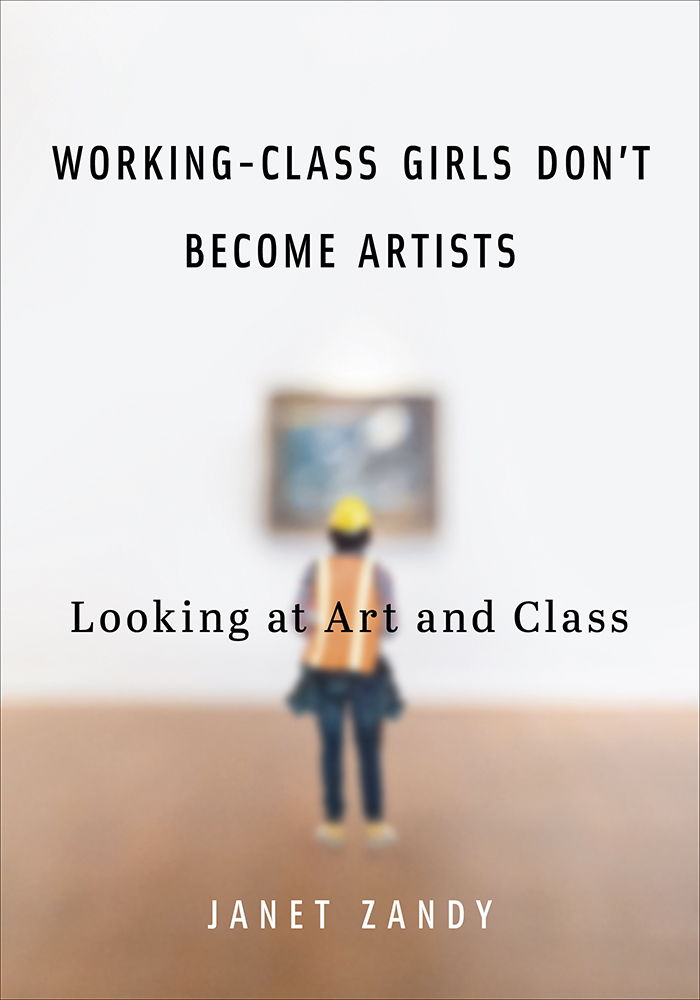
Working-Class Girls Don’t Become Artists: Looking at Art and Class
Janet Zandy
Writing from a working-class perspective, Janet Zandy links labor and art to challenge the unnamed class biases in systems of art curation, categorization, and expertise. Zandy orchestrates the voices of nine artists—Käthe Kollwitz, Elizabeth Catlett, Ruth Asawa, Marilyn Anderson, Milton Rogovin, Jens S. Jensen, Mark Rogovin, Ralph Fasanella, and Raymond Mason—whose work aligns with the histories and living conditions of working-class people. Pairing these portraits opens larger conversations about class and artistic formation, intent, and accessibility. Zandy presents a model for writing about art in an inclusive, theoretically informed, and creatively constructed way. Art, Zandy shows, is not a rare fruit to be plucked by the chosen few. Art is a human necessity and crucial for the sustenance of democracy.
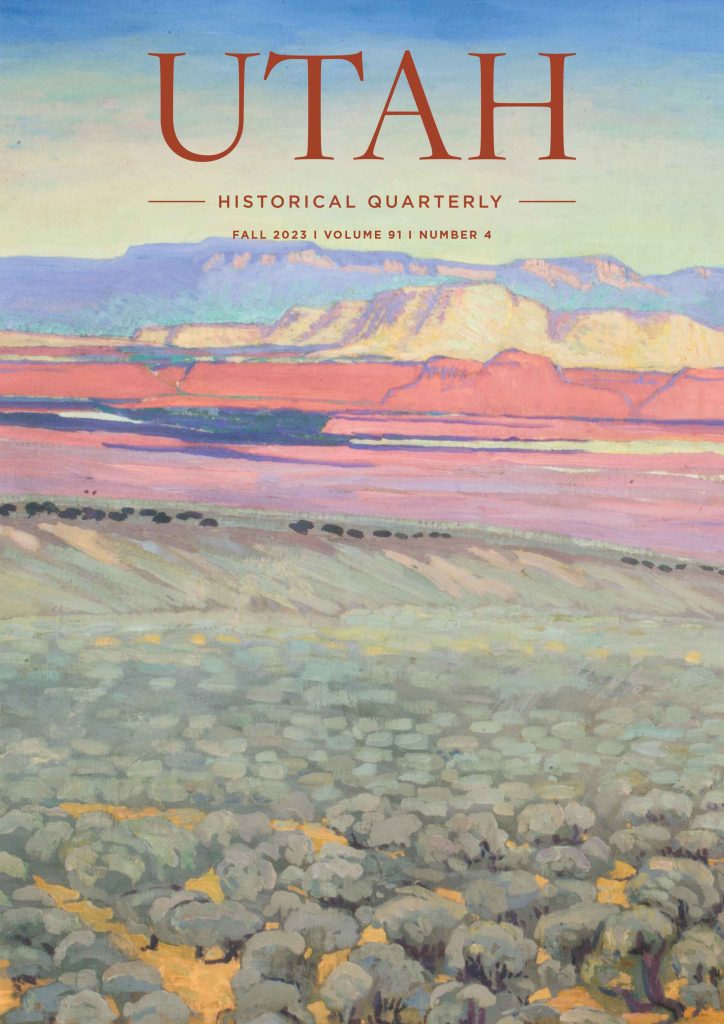
This is a special issue on women in Utah’s art world in the mid-twentieth century, guest edited by art historians Heather Belnap and James R. Swenson. Articles in this issue discuss individual artists, a community art leader, and how women artists navigated gender expectations in relation work.
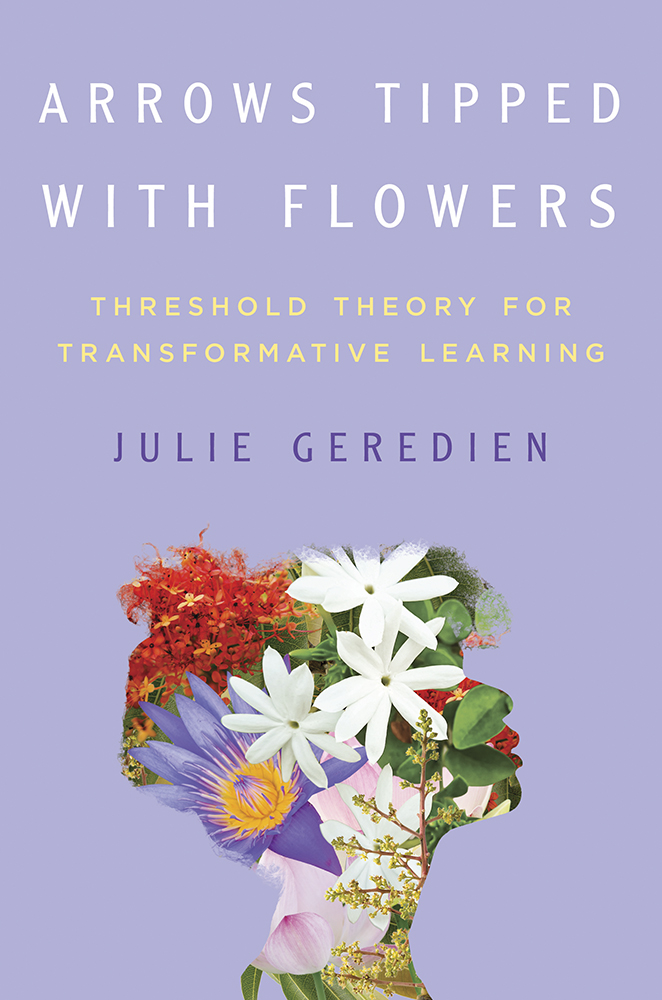
Arrows Tipped with Flowers: Threshold Theory for Transformative Learning
Julie Geredien
How can learning at the threshold change us and our world? Julie Geredien introduces an approach to transformative learning that draws on a wide range of cultural and disciplinary viewpoints.
Innovative and expansive, Arrows Tipped with Flowers reveals the psychology of integrity that underpins truly global learning and explains the need to develop more inclusive and reflective approaches to knowledge formation.
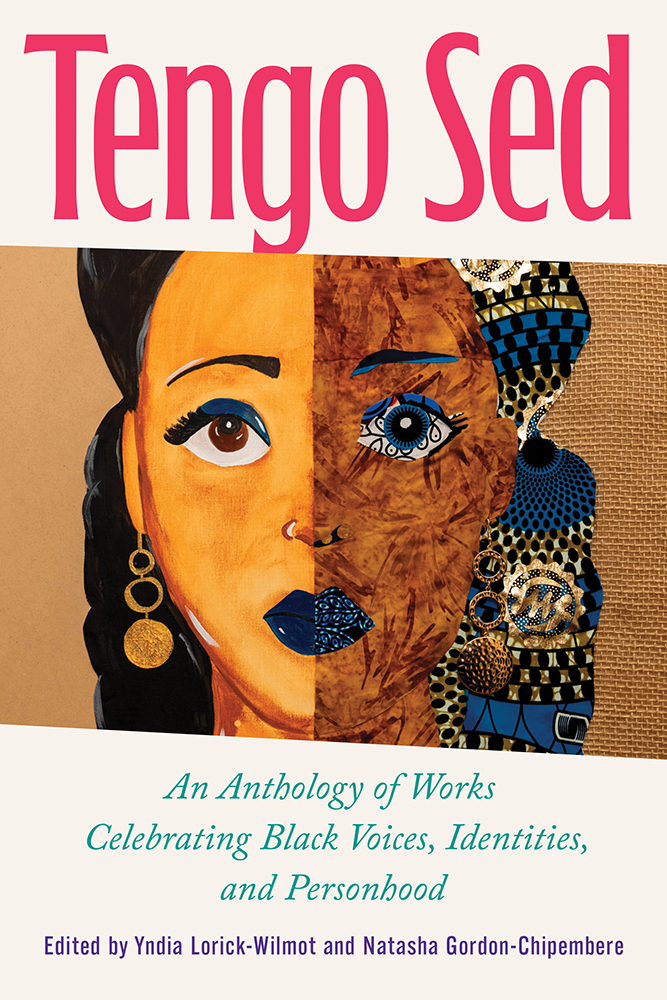
Tengo Sed: An Anthology of Works Celebrating Black Voices, Identities, and Personhood
Edited by Yndia Lorick-Wilmot and Natasha Gordon-Chipembere
Since 2015, the Tengo Sed (“I am thirsty”) Writers’ Retreats have brought together African-descended people of diverse backgrounds and across disciplines to create works in an emancipatory space of knowledge and community. For editors Yndia Lorick-Wilmot and Natasha Gordon-Chipembere, Tengo Sed is the manifestation of the bonds created within the context of global community-making, allowing for these perspectives to come to life.
Singular and inspirational, Tengo Sed centers storytelling, self-making, and artistic practice, and contributes to ongoing dialogues on Black identity, liberation, and creative sovereignty.
“The Opportunities for and Limitations on a Finnish Female Artist in Lapland before the Second World War” by Tuija Hautala-Hirvioja
This article examines the possibilities and limitations that women had to take into account to study fine arts in Finland in the 1920s and 30s, using the life and art of Maija Kellokumpu (1892–1935) as a case study.
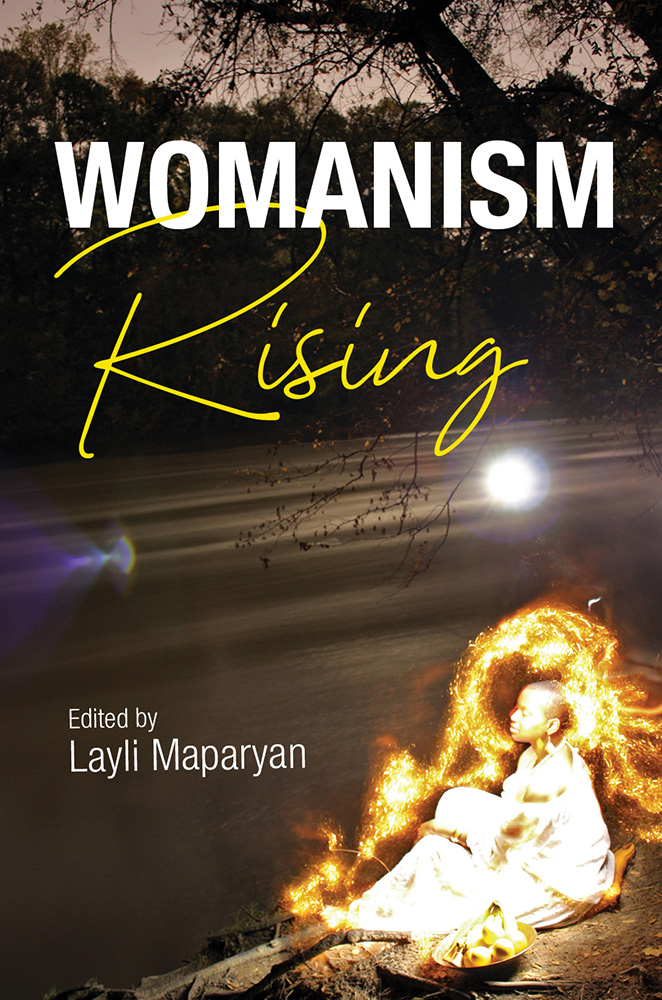
Womanism Rising
Edited by Layli Maparyan
Womanism Rising concludes Layli Maparyan’s three-book exploration of womanist studies. The collection showcases new work by emerging womanist authors who expand the womanist idea while extending womanism to new sites, new problems, and new audiences.
Defiant and far-sighted, Womanism Rising takes readers on a journey into a new generation of concepts, ideas, and strategies for womanist studies.
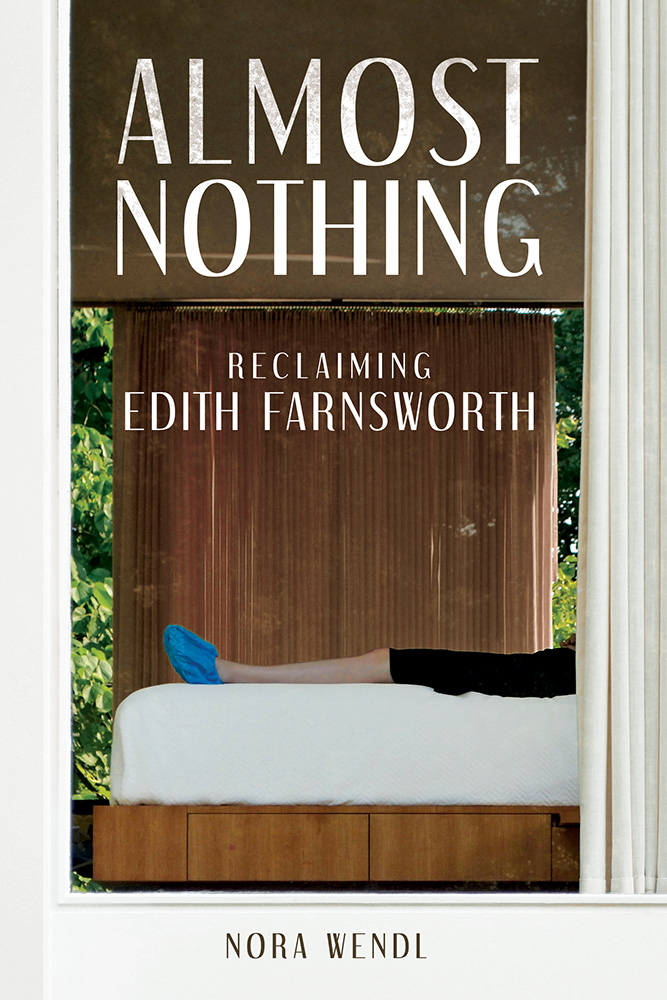
Almost Nothing: Reclaiming Edith Farnsworth
Nora Wendl
The iconic Edith Farnsworth House is a singular glass home designed by Mies van der Rohe. But the oft-told history of the house overwrites Farnsworth’s role as Mies’s collaborator and antagonist while falsely portraying her as the architect’s angry ex-lover.
Eloquent and confessional, Almost Nothing restores Edith Farnsworth to her place in architectural history and the masterpiece that bears her name.
“Craft as Care-Full Correspondence” by Amber Ward and Jennifer Harness Wilkinson
Two art educators introduce craft as a communal, political, and feminist art practice. Exemplified through a series of embroidered handkerchiefs, they initiate biographical interviews between them on topics like material engagement, physical and virtual correspondence, women’s work, pandemics, history of craft, and more.
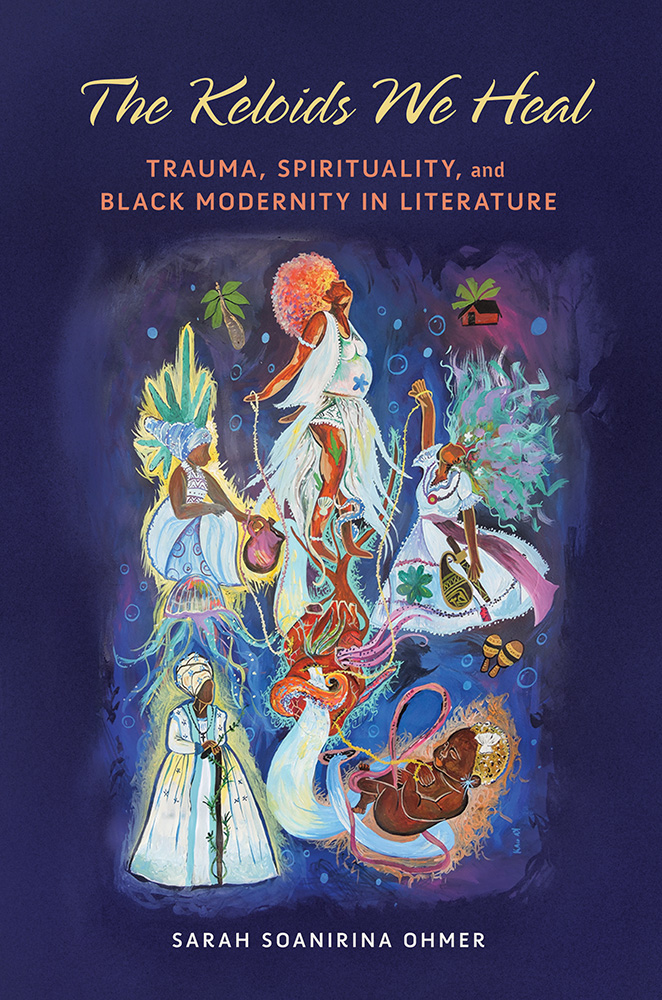
The Keloids We Heal: Trauma, Spirituality, and Black Modernity in Literature
Sarah Soanirina Ohmer
The corporeal and spiritual healing in literature by women of colors can be seen to redefine modern thought and printed text. Sarah Soanirina Ohmer traces the impact of colonization and enslavement on Black women and Black women’s contributions to colonial, nineteenth, and twentieth century literature in the US, Brazil, and the Caribbean.
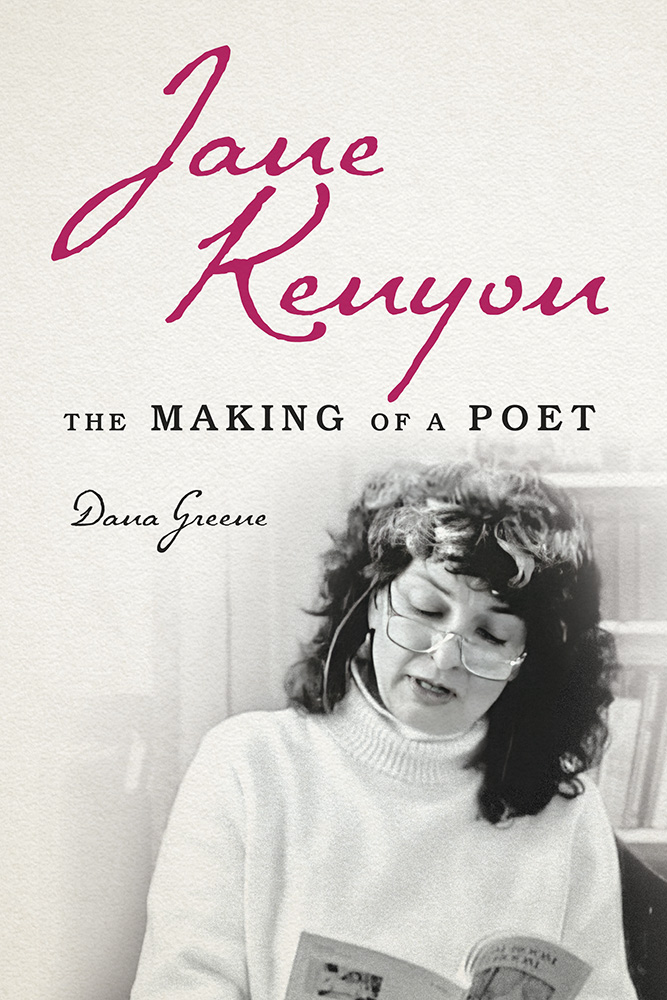
Jane Kenyon: The Making of a Poet
Dana Greene
Pleasure-loving, sarcastic, stubborn, determined, erotic, deeply sad–Jane Kenyon’s complexity and contradictions found expression in luminous poems that continue to attract a passionate following. Dana Greene draws on a wealth of personal correspondence and other newly available materials to delve into the origins, achievement, and legacy of Kenyon’s poetry and separate the artist’s life story from that of her husband, the award-winning poet Donald Hall.
Journal of Aesthetic Education
“Amanda Weate’s Genealogy of Creativity” by Chris Peers
(OPEN ACCESS)
This article looks back at the little-known work of an Australian art educationist, Amanda Weate, who conducted a study on the disparate origins of the concept of creativity in psychology, aesthetics, and art education.