
African American Studies is a cornerstone of the University of Illinois Press. While we honor Black history all year, this month we’re celebrating with some of our favorite and forthcoming Black history publications.
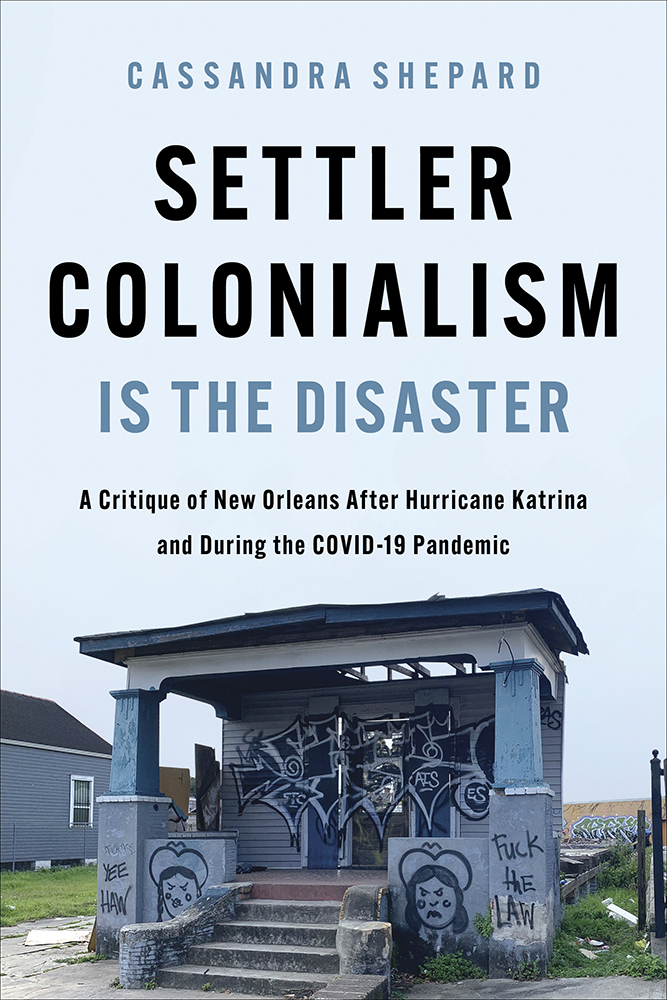
Settler Colonialism Is the Disaster: A Critique of New Orleans After Hurricane Katrina and During the COVID-19 Pandemic
Cassandra Shepard
Rebuilding efforts in the aftermath of Hurricane Katrina and during the COVID-19 pandemic unleashed perpetual disaster on New Orleans’ Black and Indigenous communities. Neoliberalism masked by the auspices of repair, progress, and inclusion reinforced the plight of the urban poor while exacerbating the racial and class inequalities that existed before the storm.
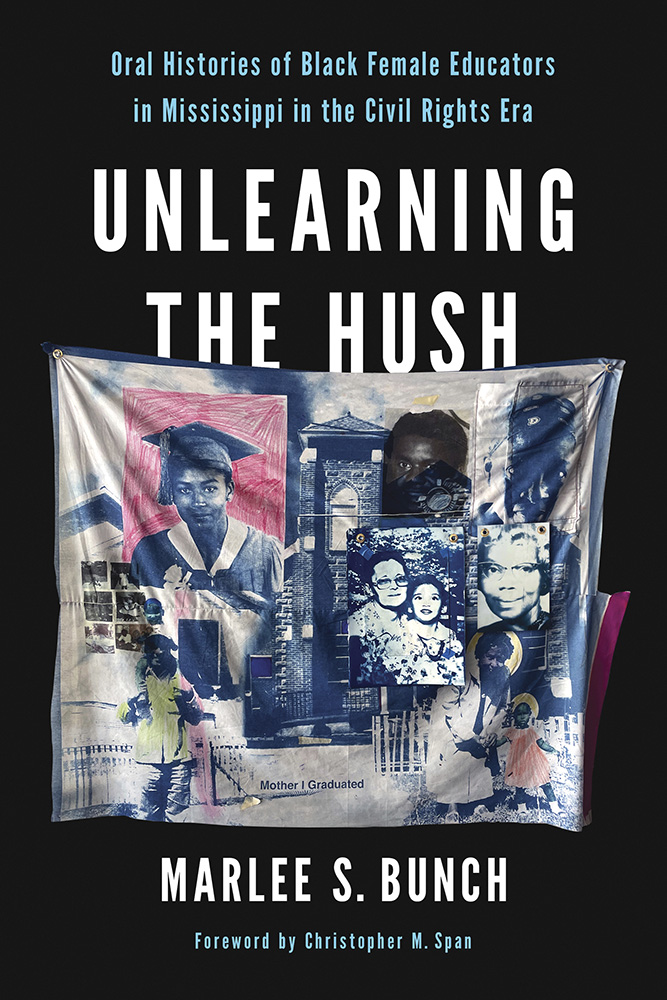
Unlearning the Hush: Oral Histories of Black Female Educators in Mississippi in the Civil Rights Era
Marlee S. Bunch
Foreword by Christopher M. Span
Despite significant challenges and historical opposition, Black female teachers stood at the forefront of advocating for and providing education to Black students. Their dedication not only improved opportunities for Black communities but also influenced changes in U.S. laws and societal expectations.
Journal of Appalachian Studies
Special Issue: “Black Appalachia” edited by Rebecca R. Scott and Wilburn Hayen, Jr.
Black Appalachians, Black Appalachian groups and families, Black Appalachian institutions, and Black Appalachian experiences were and are formed in Appalachia. Over the centuries, Black folks through birth, migration, lived residence, and heritage have contributed to the molding and shaping of the region. The stories of Black Appalachians are Appalachian stories as much as Scots-Irish or other identity populations within the region we call Appalachia. Listen to our podcast on this issue.
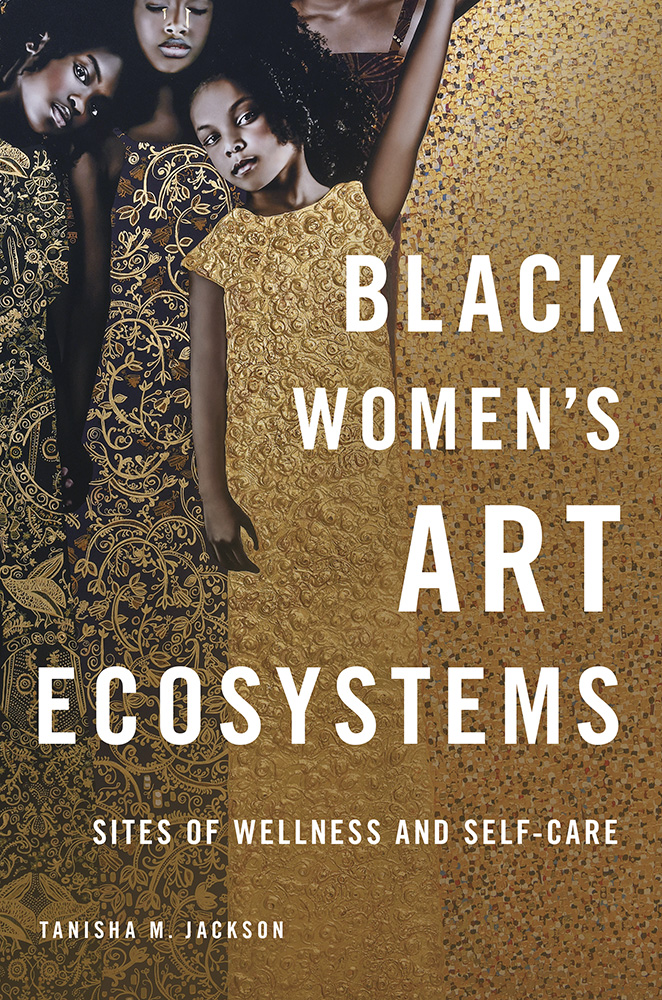
Black Women’s Art Ecosystems: Sites of Wellness and Self-Care
Tanisha M. Jackson
It is not an uncommon burden but rather a choice that Black women artists embrace creating art as a socio-political strategy to save themselves and their communities. Tanisha M. Jackson analyzes visual and personal narratives, historical archives, and artmaking practices to reveal how Black women artists facilitate wellness through creative expression and cultural knowledge.
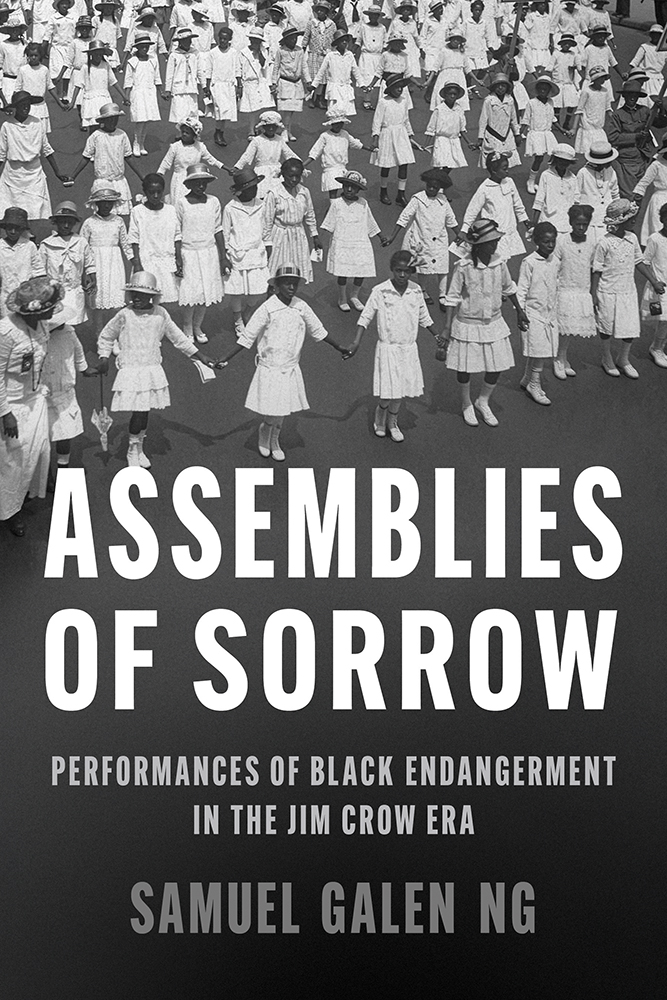
Assemblies of Sorrow: Performances of Black Endangerment in the Jim Crow Era
Samuel Galen Ng
During the Jim Crow era, Black activists appealed to a diverse population of migrating Black Americans by making them viscerally feel that the threat of anti-Black violence continued to afflict them as a group and to undergird blackness itself. To this end, they organized public gatherings, mostly comprised of Black people, that fostered fears of looming physical harm.
Visual Arts Research
What would it mean for Black American art educators and students to have a space that radically re-imagines ownership in scholarship? What does Black radical imagination look like in academic spaces of research, conferences, and publications to produce a vision of equity? This article explores how academic conferences often serve as a precursor to publishing and a platform for re-imagining radical spaces and addressing the accessibility of scholarly information.
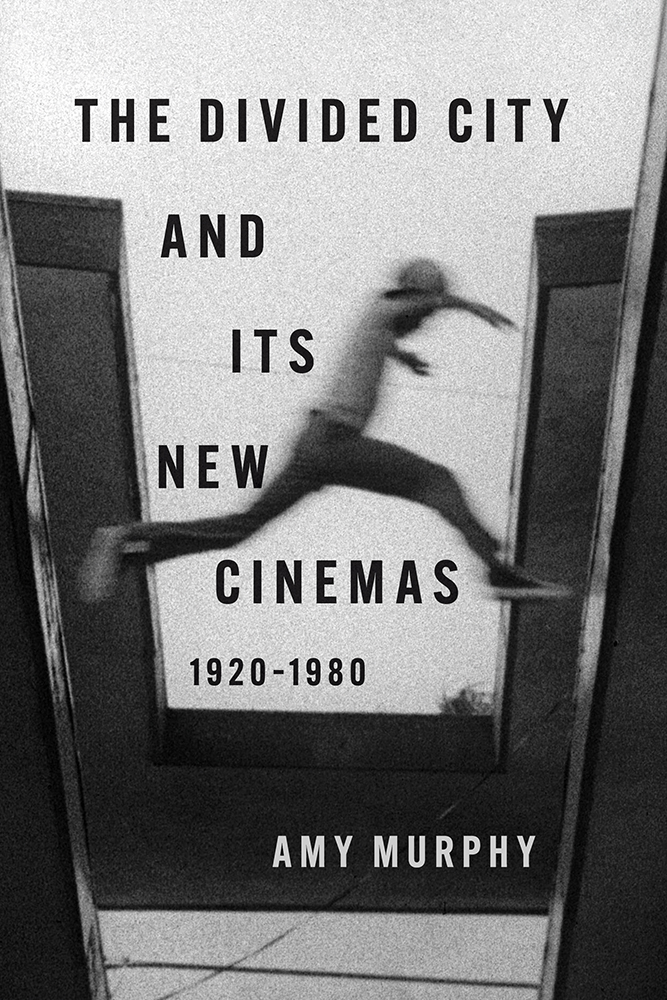
The Divided City and Its New Cinemas, 1920-1980
Amy Murphy
Film offers a powerful witness to the historical effects of segregation. Twentieth-century American urban policy favored “white flight” to the suburbs while confining other racial and ethnic groups in urban cores. Mainstream cinema, in turn, perpetuated racial stereotypes that justified this confinement. Amy Murphy revisits this history via six independent films, each mapping a distinct urban geography at a particular moment in the century.
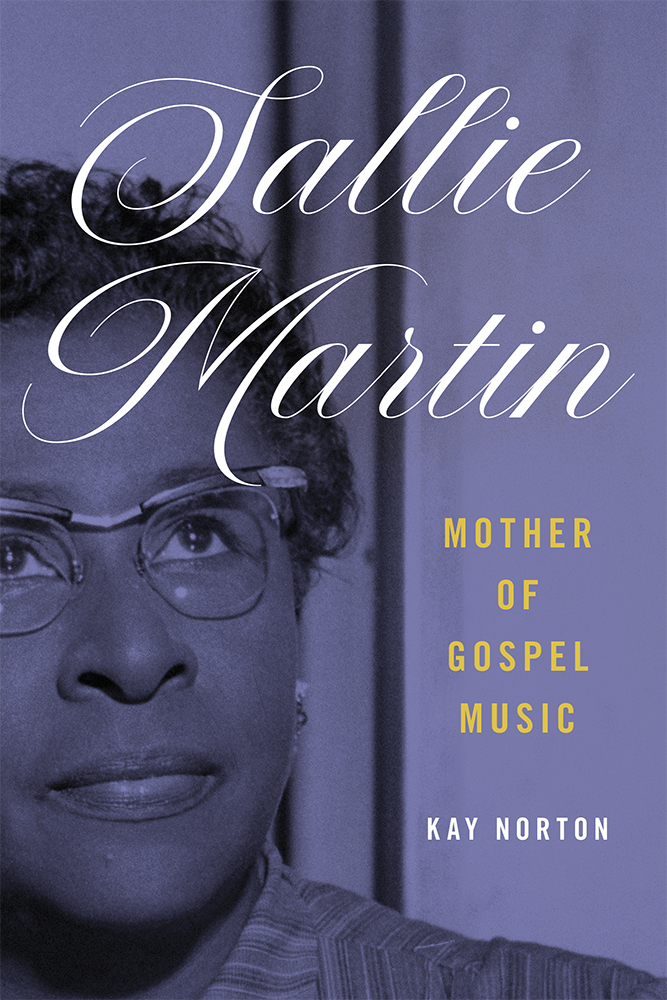
Sallie Martin, Mother of Gospel Music
Kay Norton
Sallie Martin combined fame as a performer with a far-sighted business acumen that brought Black gospel music to a national audience and laid the foundation for the industry that followed. Kay Norton’s biography follows Martin’s parallel careers from her early plans to grow the genre through her celebrity in the 1960s–1970s and eventful retirement.
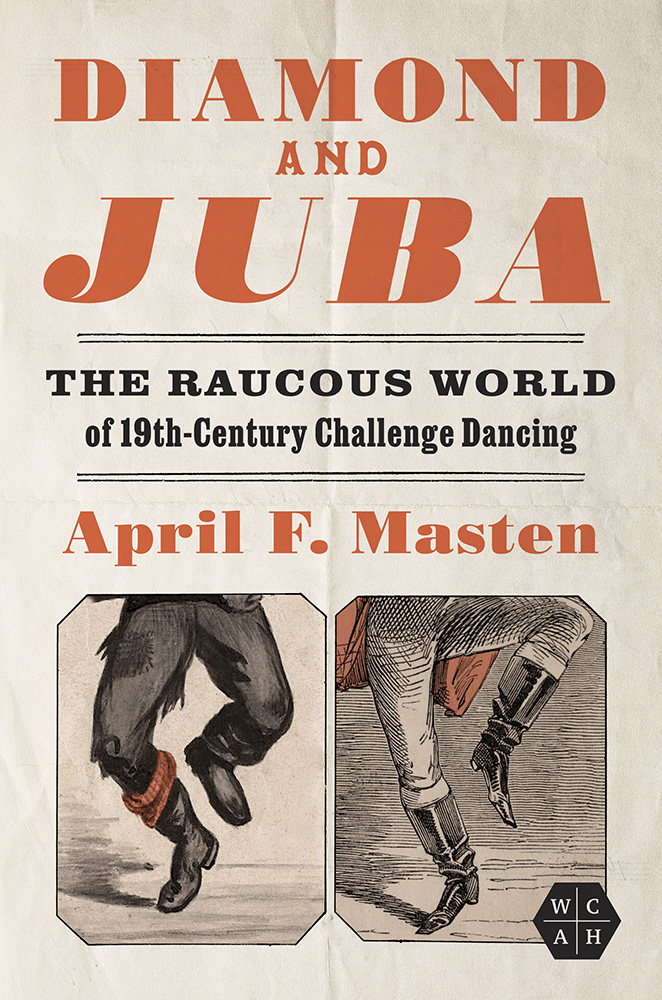
Diamond and Juba: The Raucous World of 19th-Century Challenge Dancing
April F. Masten
During the tumultuous years before the Civil War, Irish American John Diamond and African American William Henry Lane, known as Juba, became internationally famous as competitors in the art and sport of challenge dancing. April F. Masten’s dual biography reconstructs the lives and work of these extraordinary dancers, casting fresh light on their contributions to the history of American popular culture.
Women, Gender, and Families of Color
Based on a collection of letters compiled by the Bureau of Refugees, Freedmen, and Abandoned Lands (Freedmen’s Bureau) in the nineteenth century, this article argues that African American parents in the areas around and including Baltimore were subject to continued harassment on the part of former slave owners to extend the condition of slavery for Black children.
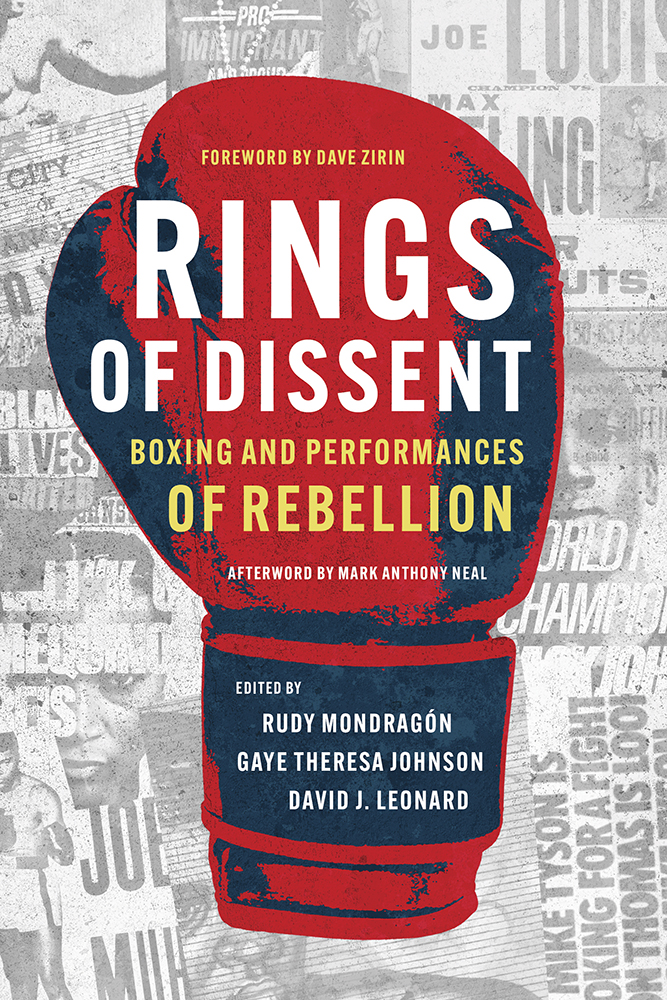
Rings of Dissent: Boxing and Performances of Rebellion
Edited by Rudy Mondragón, Gaye Theresa Johnson, and David J. Leonard
Professional boxers practice their trade within an ostensibly apolitical arena. In reality, however, the fighters work inside a capitalistic and neoliberal sports culture that they both challenge and uphold. This collection delves into professional boxing’s capacity for brilliance, contradiction, resistance, and complicity. Scholars, activists, and artists explore the boxing ring as a site for understanding original and diverse ideas about the performance of race, citizenship, gender, power, and dissent.
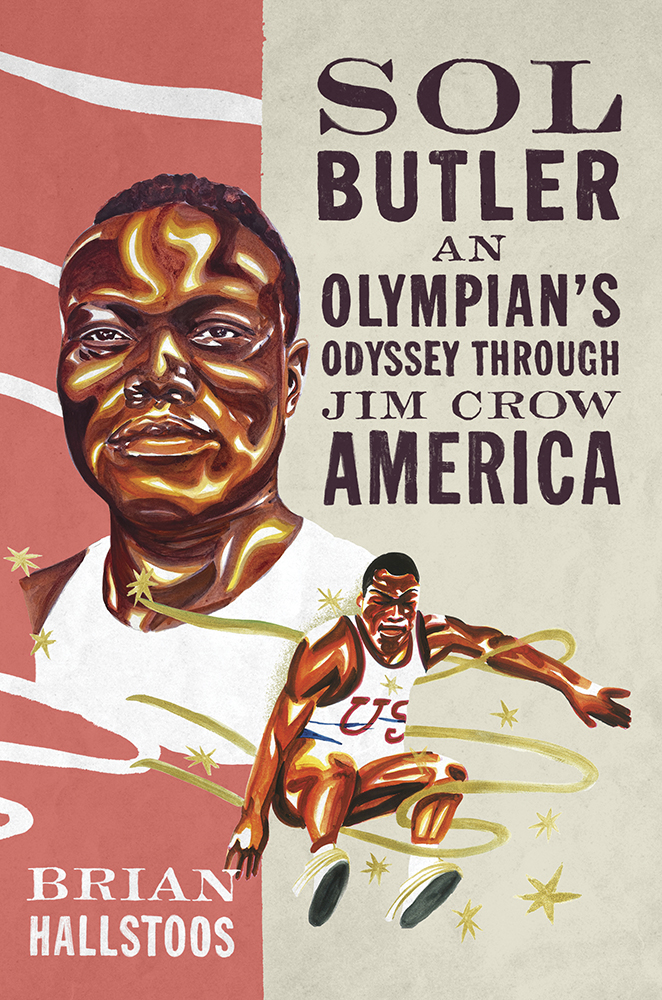
Sol Butler: An Olympian’s Odyssey through Jim Crow America
Brian Hallstoos
A superstar in both football and track and field, Sol Butler pioneered the parlaying of sports fame into business prosperity. Brian Hallstoos tells the story of a Black athlete’s canny use of mainstream middle-class values and relationships with white society to transcend the athletic, economic, and social barriers imposed by white supremacy.
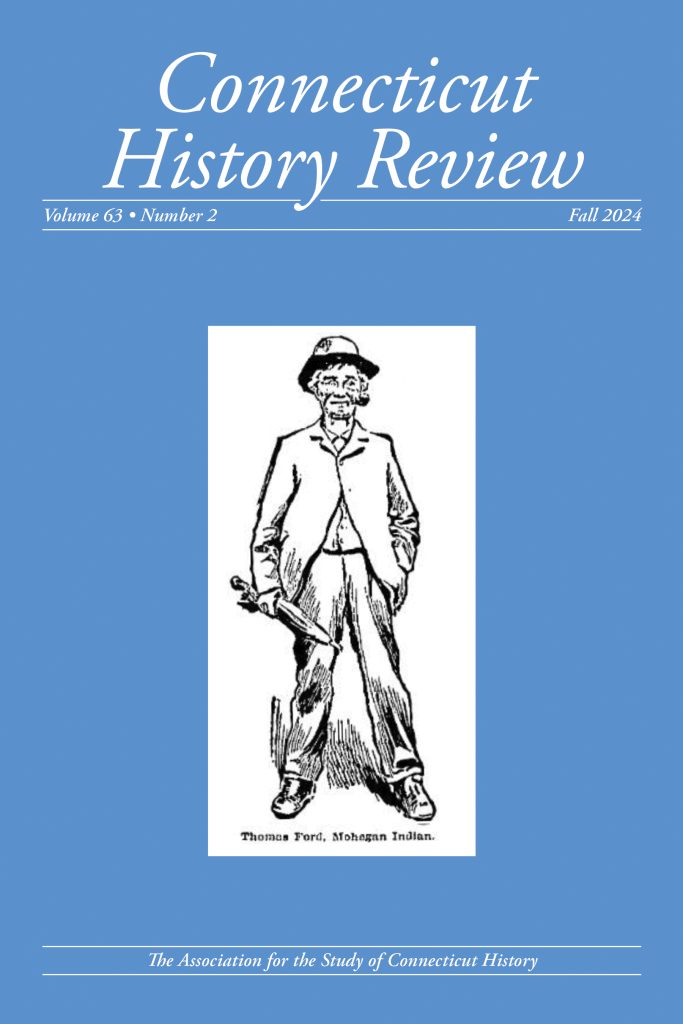
Connecticut History Review
The Constellations Project: Early Black Lives at Yale is an initiative of the Beinecke Rare Book and Manuscript Library. Building on decades of past scholarship, community memory, and an eclectic mix of archival and print sources, the library is working to research and uplift the stories of the Black students who attended the university before 1940. Bringing their stories to wider audiences will enable additional research into their lives and networks, while changing and enriching our understanding of Yale as an institution.
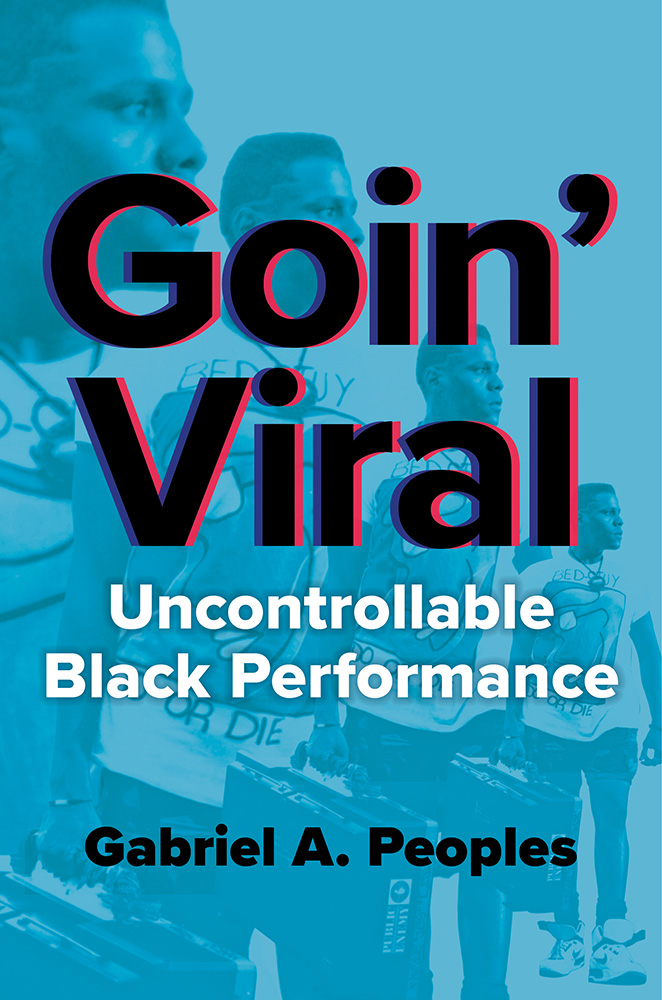
Goin’ Viral: Uncontrollable Black Performance
Gabriel A. Peoples
Black virality refers to the spread of Black performance that becomes uncontrollable because of its rapid and ubiquitous circulation through popular media. Gabriel A. Peoples examines Black people and representations of Black people that have gone viral from the eighteenth century to today.
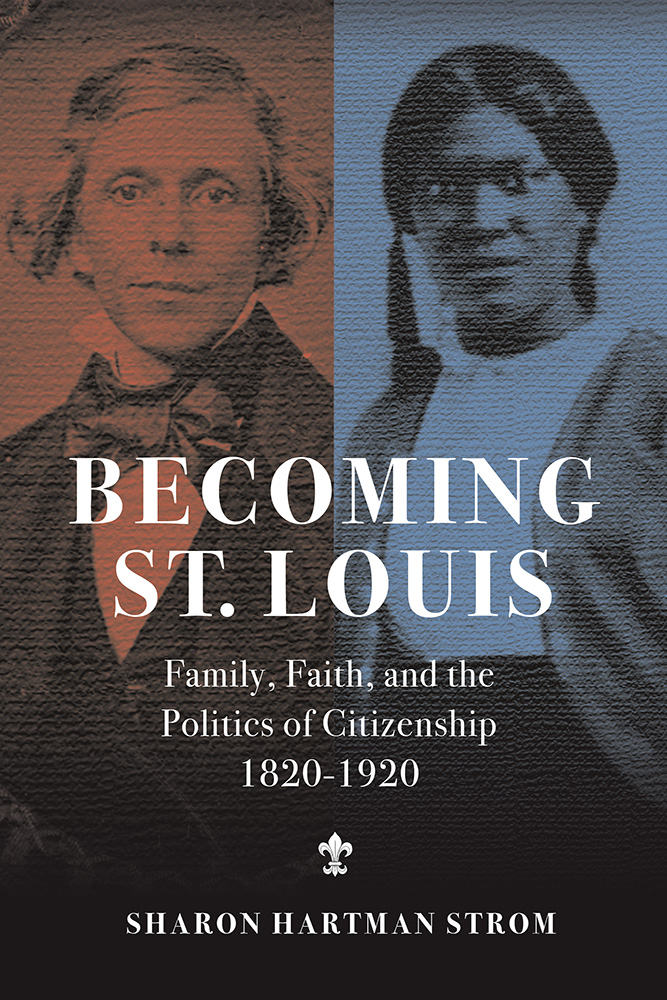
Becoming St. Louis: Family, Faith, and the Politics of Citizenship, 1820-1920
Sharon Hartman Strom
St. Louis was the pivot of the free states and slave states and the border of the settled East and frontier West. Sharon Hartman Strom draws on disparate and previously untapped sources to weave the personal and public lives of women and both free and enslaved African Americans into city history.
Journal of Aesthetic Education
“Signifying the Sound: Criteria for Black Art Movements” by Corey Reed
Black art movements are complex movements that blend social, political, and aesthetic criteria. In this article, Reed lists seven conditions that they take to be jointly sufficient for a Black art movement to be signified as such.