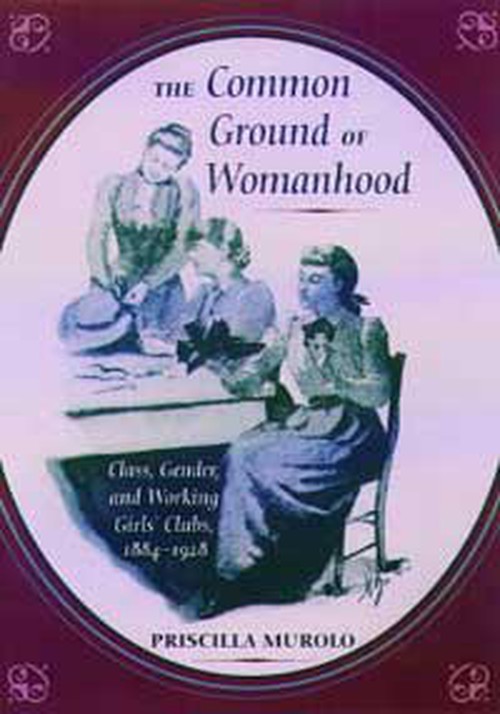
The Common Ground Of Womanhood
About the Book
Where is the "common ground of womanhood"? In a unique and highly nuanced study of previously unexplored cross-class alliances, Priscilla Murolo charts the shifting points of consensus and conflict between working women and their genteel club sponsors, working women and their male counterparts, and among working women of differing ethnic backgrounds.
The working girls' club movement lasted from the 1880s, when women poured into the industrial labor force, into the 1920s. Clubs initially were governed by upper-class women, and activities converged around standards of "respectability" and the defense and uplift of the character of women who worked for wages. Later, the workers themselves presided over the clubs, at which point the focus shifted to issues of labor reform, women's rights, and sisterhood across class lines.
This valuable and lucid study of the club movement's trajectory throws new light on broader trends in the history of women's alliances, social reform, gender conventions, and worker organizing.
A volume in the series Women in American History, edited by Anne Firor Scott, Nancy A. Hewitt, and Stephanie Shaw, and in the series The Working Class in American History, edited by David Brody, Alice Kessler-Harris, David Montgomery, and Sean Wilentz
About the Author
Priscilla Murolo teaches history at Sarah Lawrence College and is the coauthor of From the Folks Who Brought You the Weekend: A Short, Illustrated History of Labor in the United States.Related Titles