Sasanian Jewry and Its Culture
About the Book
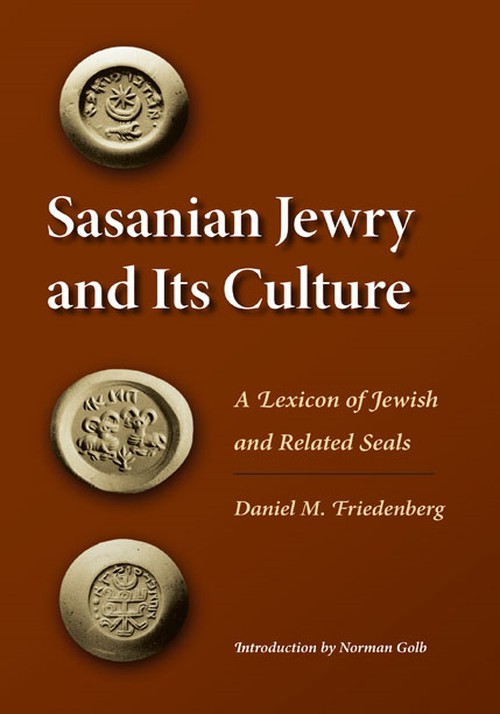
From 226 C.E. to 640 C.E., the Sasanian Empire occupied the territories now divided among Iran and Iraq and for brief periods between Syria and Armenia. One of the most significant material remnants of the large communities of Jews living within the empire are seals, almost all of which are signets whose styles, inscriptions, and sites of discovery provide important clues about the size and status of Jewish populations throughout the empire. Seals show how Jews within the empire adopted or resisted certain Sasanian symbols and sustained traditional Jewish references such as the lulab and etrog. This volume presents fifty-seven Jewish seals from the Sasanian Empire, as well as comparative Zoroastrian and Christian seals. The text identifies their provenance (if known), translates their inscriptions, and organizes them by their depiction or reference.About the Author
Daniel M. Friedenberg is the president of John-Platt Enterprises. A recipient of the Heath Literary Award for Distinguished Numismatic Achievement, he is the former curator of coins and medals for the Jewish Museum, New York. His books include Great Jewish Portraits in Metal and Medieval Jewish Seals from Europe.Reviews
Blurbs
"This book should be in any research library for ancient Near Eastern, Iranian, or Jewish history. It will be a useful reference for archaeologists and historians of society, art, religion and commercial practice in those fields."--Michael L. Bates, curator emeritus of Islamic coins, American Numismatic Society
"Friedenberg sets out to catalogue the Jewish seals of the Sasanian Empire, providing some introductory material by way of background and orientation. The access to primary sources, especially recondite ones, is a foundational service of publication. This kind of scholarship holds a special place in our work."--Joshua Holo, director of the Louchheim School of Judaic Studies and associate professor of Jewish history, Hebrew Union College-Jewish Institute of Religion, Los Angeles
Related Titles