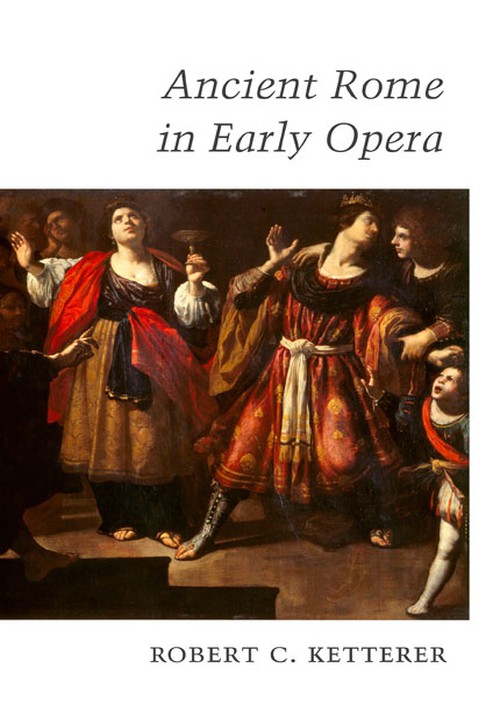
Ancient Rome in Early Opera
About the Book
The major historians of ancient Rome wrote their works in the firm belief that the exalted history of the Roman Empire provided plentiful lessons about individual behavior, inspiration for great souls, and warnings against evil ambitions, not to mention opportunities for rich comedy. The examples of Rome have often been resurrected for the opera stage to display the exceptional grandeur, glory, and tragedy of Roman figures.In this volume, Robert C. Ketterer tracks the changes as operas' Roman subjects crossed generations and national boundaries. Following opera from its origins in seventeenth-century Venice to Napoleon's invasion of Italy, Ketterer shows how Roman history provided composers with all the necessary courage and intrigue, love and honor, and triumph and defeat so vital for the stirring music that makes great opera.
About the Author
Robert C. Ketterer is a professor of Classics at the University of Iowa and the coeditor of Crossing the Stages: The Production, Performance and Reception of Ancient Theater.Reviews
"A marvelous book. . . . Ketterer has performed a signal service in bringing his classical knowledge to the attention of musicologists, and his musical perceptiveness to the community of classicists."--Classical Journal"A very fine book, recommended to all who are interested in opera before(and including) Mozart."--Comparative Drama "A wealth of insightful and virtuosos interpretations of many of the best-known historical characters in early Italian opera."--Early Music
Blurbs
"This work is a welcome addition to our understanding of opera's rich musical tradition. Robert C. Ketterer is a rare classicist who also knows his way, musically and historically, in the world of baroque opera."--R. J. Tarrant, editor of the Oxford Classical Texts edition of Ovid's Metamorphoses
“This enjoyable, compelling, and beautifully organized book is a truly significant contribution to the field. It is a must read for music historians and directors of staged performances of baroque opera, but also essential for political and social historians and those interested in comparative literature.”--Ellen T. Harris, author of Handel as Orpheus: Voice and Desire in the Chamber Cantatas
Related Titles