Anti-Indianism in Modern America
About the Book
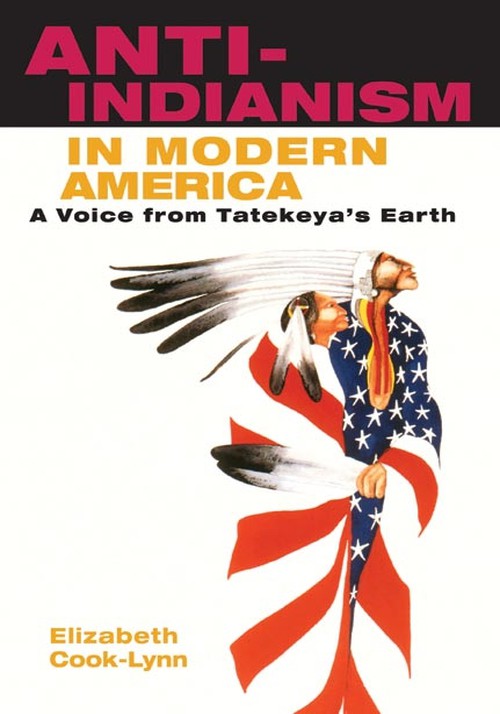
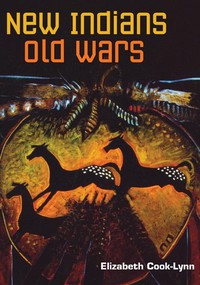
Addressing Native American studies past, present, and future, the essays in New Indians, Old Wars tackle the discipline head-on, presenting a radical revision of the popular view of the American West in the process. Instead of luxuriating in the West's past glories or accepting the widespread historians' view of it as a shared place, Elizabeth Cook-Lynn argues that the American West should be fundamentally understood as stolen.Cook-Lynn says that the Indian Wars of Resistance to the nineteenth- and twentieth-century colonial effort to seize native lands and resources must be given standing in the face of the ever-growing imperial narrative of America--because the terror the world is now witnessing may be the direct consequence of events which began in America's earliest dealings with the natives of this continent. Cook-Lynn's story examines the ongoing and perennial relationship of conflict between colonizers and indigenous people, and it is a story that every American must read.
Cook-Lynn understands that the story of the American West teaches the political language of land theft and tyranny. She argues that to remedy this situation, Native American studies must be considered and pursued as its own discipline, rather than as a subset of history or anthropology. She makes an impassioned claim that such a shift, not merely an institutional or theoretical change, could allow Native American studies to play an important role in defending the sovereignty of indigenous nations today.
About the Author
Elizabeth Cook-Lynn (1930–2023) was a member of the Crow Creek Sioux Tribe and a writer, poet, and professor emerita of Native American studies at Eastern Washington University. She was the author of many books, including Aurelia: A Crow Creek Trilogy and New Indians, Old Wars, and the coauthor of The Politics of Hallowed Ground: Wounded Knee and the Struggle for Indian Sovereignty.Also by this author
Reviews
“With this set of incisive essays, Elizabeth Cook-Lynn confirms her status as the most insightful Indian essayist of our time. Displaying an incredible breadth of knowledge in a variety of fields, she examines some of the most controversial issues in American Indian studies.”--Vine Deloria Jr., Pacific Historical QuarterlyBlurbs
"In fiercely arguing for a tribal model of Indian Studies based on sovereignty and indigenousness, Elizabeth Cook-Lynn brilliantly tells the story of the brutal U.S. colonization of Indian nations as well as its covering up of that history. This new work is as bold as the hard blue sky of Cook-Lynn's homeland in the northern plains. It is destined to become a classic of indigenous literature."--Roxanne Dunbar-Ortiz, author of Red Dirt: Growing Up Okie
"Elizabeth Cook-Lynn is one of the founding scholars of Native American Studies, and with New Indians, Old Wars she remains one of its most important voices. To use her own language, she keeps our collective plot moving."--Jace Weaver, director, Institute of Native American Studies, University of Georgia
Related Titles