Para Power
About the Book
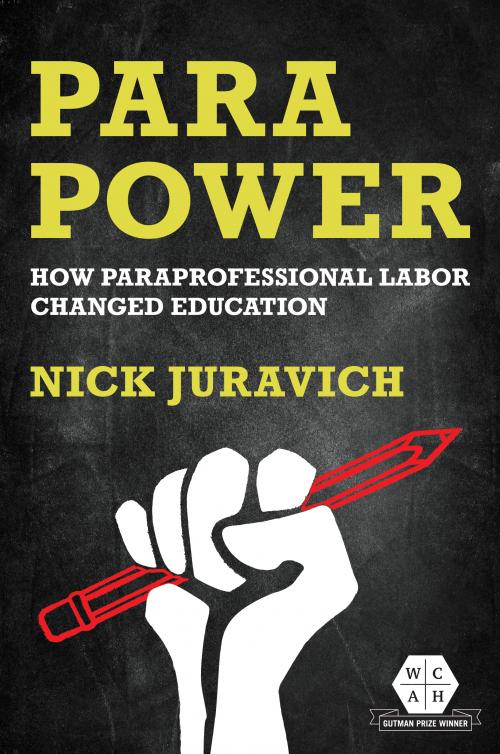
Paraprofessional educators entered US schools amidst the struggles of the late 1960s. Immersed in the crisis of care in public education, paras improved systems of education and social welfare despite low pay and second-rate status.Understanding paras as key players in Black and Latino struggles for jobs and freedom, Nick Juravich details how the first generation of paras in New York City transformed work in public schools and the relationships between schools and the communities they served. Paraprofessional programs created hundreds of thousands of jobs in working-class Black and Latino neighborhoods. These programs became an important pipeline for the training of Black and Latino teachers in the1970s and early 1980s while paras' organizing helped drive the expansion and integration of public sector unions.
An engaging portrait of an invisible profession, Para Power examines the lives and practices of the first generation of paraprofessional educators against the backdrop of struggles for justice, equality, and self-determination.
* Publication was supported by a grant from the Howard D. and Marjorie I. Brooks Fund for Progressive Thought.
About the Author
Nick Juravich is an assistant professor of history and labor studies and the associate director of the Labor Resource Center at UMass Boston.Reviews
"Para Power is a critical contribution to civil rights scholarship and offers novel insights into New York City education history by moving beyond teachers to highlight the contributions and experiences of lower-paid and often overlooked school employees."-- History of Education Quarterly"By flowing back and forth between national discourse and New York’s neighborhoods, Para Power shows how ties between civil rights, federal programs, public education, and labor formed at a moment of fissure. . . . The focal point of Para Power, the landmark contract that New York’s paras won shortly after joining the UFT, is a critical addition to scholarship on the War on Poverty."-- Journal of Urban History
"Juravich’s book offers insights into the successes and failures of public sector unionism. That is, it shows that public care labor is only valued and well remunerated when the people who hold the jobs are critical to the political coalition that runs the city. The rise and fall of good jobs for women of color in the care sector follows the political coalitions that assign value to work."-- Labor Online
Blurbs
“Para Power lifts up inspiring voices of education activists who struggled for collective power at the intersection of women's, workers’, and civil rights during a pivotal historical moment. Juravich’s analysis offers indispensable lessons for all who are committed to defending the common good today.”--Jessica Wender-Shubow, former president, Brookline Educators Union
Awards
• Short-listed, History of Education Society: Robert L. Hampel Outstanding Book Award, 2025• Winner, Choice: Outstanding Academic Titles, 2025
Supplemental Links
Hear the author's conversation with American Federation of Teachers President Randi WeingartenListen to the author's conversation with Heather Lewis, Professor of History at the Pratt InstituteAuthor's conversation with American Federation of Teachers archivist Dan Golodner on the "Tales from the Reuther Library" podcastInterview on the New Books Network with Tom Discenna and Jillian FeltonHarvard EdRedesign Lab's 2026 "What We're Reading This Summer" listRelated Titles